Resume drafts Unsaved story and dashboard drafts
Comment drafts Unsaved comment drafts
FND Nope profile picture
Personal Space

FND Nope’s Space

Moderator

Questioning FND. Challenging dogma. Putting patients first.

Welcome

Welcome to FND Nope's official space. This is where we share updates, investigations, research, and reflections on Functional Neurological Disorder, with a particular focus on diagnostic practices, medical dogma, patient safety, and accountability. We question assumptions, challenge established narratives, and believe no diagnosis should be beyond scrutiny. You don't have to agree with us. In fact, we welcome opposing perspectives. What matters is evidence, open discussion, and the willingness to ask difficult questions.

Diagnosed With FND. It Was Buerger's Disease. She Lost Her Leg

Danielle Thomas reported numbness, worsening walking difficulties and legs that felt like they were dying. Doctors diagnosed FND. Months later, vascular investigations revealed blocked arteries, gangrene and Buerger's disease. She eventually underwent a below-knee amputation.

Dismantling FND: When ME/CFS Starts Trespassing on Functional Neurology's Territory

Dr. Brayden Yellman and Paige Zuckerman challenge FND, its diagnostic assumptions, and its overlap with ME/CFS. From seizure-like episodes explained by orthostatic intolerance to patients receiving alternative diagnoses, the question is simple: what happens when medicine starts explaining symptoms previously called functional?

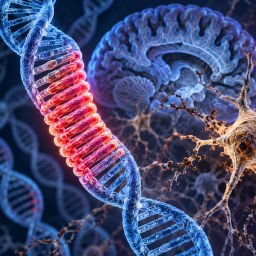
Diagnosed With FND After Her Son’s Suicide. It Was Fatal Frontotemporal Dementia

A 47-year-old woman’s progressive neurological deterioration was attributed to conversion disorder after her son’s suicide. Despite abnormal findings and failed psychiatric treatments, the diagnosis persisted. Genetic testing eventually confirmed frontotemporal dementia. Her doctors later acknowledged the cognitive biases behind their diagnostic failure.

Diagnosed With MS, Then Misdiagnosed With FND. It Was Parkinson’s.

Emma Tinkler already had multiple sclerosis when worsening neurological symptoms were labelled FND. After two years of deteriorating mobility, a second neurologist diagnosed Parkinson’s disease. Six weeks after starting medication, she was walking normally again.

Havana Syndrome: When an Unexplained Neurological Illness Becomes FND

NIH researchers classified 28% of Havana syndrome patients as having FND, despite unresolved questions about the origins of their symptoms, conflicting earlier research and warnings that different conditions may have been grouped together. Does identifying a functional phenotype actually explain what happened?

FND, Until It Was Inoperable Tongue Cancer

A 58-year-old woman with progressive swallowing and speech problems was diagnosed with functional movement disorder. Eleven months after onset, repeat imaging found advanced squamous-cell carcinoma. The authors say diagnostic bias from the FMD diagnosis even caused abnormal swallowing findings to be misinterpreted.

FND Hope's Founder, a Misdiagnosis, and Sneddon's Syndrome

FND treatment is built around assumptions about why symptoms occur. But what happens when those assumptions are wrong? Bridget Mildon's Sneddon's syndrome and Rebel's later ALS diagnosis raise an uncomfortable patient-safety question: how safe is mechanism-specific treatment when the mechanism itself remains uncertain?

POTS Found After FND: Comorbidity, or a Common Phenotype?

An FND case report found objective POTS after years of orthostatic symptoms were attributed to FND, anxiety and deconditioning. The authors call it comorbidity. But the case leaves a more important question unanswered: are the “functional signs” really evidence of a second disorder?