Resume drafts Unsaved story and dashboard drafts
Comment drafts Unsaved comment drafts
Shared Space

Rare Disease Atlas

Rare diseases. Complex presentations. Beyond the obvious diagnosis.

Welcome

Welcome to Rare Disease Atlas, an FND Nope space dedicated to exploring rare diseases with neurological manifestations, complex multisystem involvement and challenging diagnostic journeys. We examine underlying biological mechanisms, clinical presentations, diagnostic investigations, atypical manifestations, overlapping phenotypes, treatment options and emerging research. Particular attention is given to documented misdiagnoses, diagnostic delays, limitations of conventional investigations and diseases whose manifestations may be incorrectly attributed to functional or psychological causes. Our objective is to expand diagnostic awareness, encourage scientific curiosity and challenge premature diagnostic closure. Rare does not mean impossible, unfamiliar does not mean inexplicable, and normal routine investigations do not necessarily mean the absence of disease. Every disease deserves recognition. Every patient deserves thorough investigation.
Featured

Why the Rare Disease Atlas Exists

Rare neurological diseases are already being misdiagnosed as Functional Neurological Disorder (FND). The Rare Disease Atlas exists to document these diseases, their atypical presentations and their overlap with positive FND signs, challenging diagnostic practices that risk turning incomplete neurological knowledge into unjustified diagnostic certainty.

Paroxysmal Kinesigenic Dyskinesia (PKD): When Voluntary Movement Triggers Involuntary Neurological Attacks

Paroxysmal kinesigenic dyskinesia is a rare neurological disorder characterised by brief attacks of involuntary movement triggered by sudden voluntary movement. Frequently associated with pathogenic variants in the PRRT2 gene, PKD can produce dramatic fluctuations in motor performance, anticipatory behavioural adaptations and context-dependent neurological disability. This Rare Disease Atlas profile examines its biological mechanisms, clinical manifestations, diagnostic investigations, treatment options and overlap with positive diagnostic signs used to identify Functional Neurological Disorder (FND).

Episodic Ataxia (EA): When Genetic Ion Channel Dysfunction Produces Fluctuating Neurological Disability

Episodic ataxia encompasses a group of rare neurological disorders characterised by recurrent attacks of impaired coordination, abnormal gait, vertigo and fluctuating motor disability. This Rare Disease Atlas profile examines its genetic and biological mechanisms, clinical manifestations, diagnostic investigations, documented misdiagnoses, treatment options and overlap with positive diagnostic signs used to identify Functional Neurological Disorder (FND).

Stiff-Person Syndrome (SPS): When Sound, Touch and Emotional Stress Trigger Neurological Disability

Stiff-person syndrome is a rare neurological disorder characterised by progressive muscle stiffness, painful spasms, exaggerated startle responses and stimulus-dependent motor impairment. Often associated with autoimmune disturbances affecting inhibitory neurotransmission, SPS can produce fluctuating disability, anxiety-associated deterioration and context-dependent walking difficulties. This Rare Disease Atlas profile examines its biological mechanisms, diagnostic investigations, documented misdiagnoses and overlap with clinical characteristics used to support a diagnosis of Functional Neurological Disorder (FND).

Dopa-Responsive Dystonia (Segawa Disease): When a Dopamine Deficiency Produces Fluctuating Neurological Disability

Dopa-responsive dystonia (DRD) is a rare, treatable neurological disorder associated with impaired dopamine synthesis. Characterised by fluctuating dystonia, abnormal gait, exercise-related deterioration and sometimes dramatic improvement following sleep or levodopa treatment, DRD presents important challenges to neurological diagnostic reasoning. This Rare Disease Atlas profile explores its genetic and biochemical mechanisms, documented misdiagnoses, clinical manifestations and potential overlap with positive diagnostic signs used to identify Functional Neurological Disorder (FND).

Acute Intermittent Porphyria (AIP): When a Metabolic Disease Masquerades as Gastrointestinal, Neurological and Psychiatric Illness

Acute intermittent porphyria (AIP) is a rare inherited metabolic disorder capable of producing severe abdominal pain, gastrointestinal dysmotility, muscle weakness, paralysis, autonomic disturbances and psychiatric manifestations. This Rare Disease Atlas profile examines its biological mechanisms, fluctuating clinical presentations, diagnostic investigations, documented misdiagnoses and potential overlap with signs used to diagnose Functional Neurological Disorder (FND).

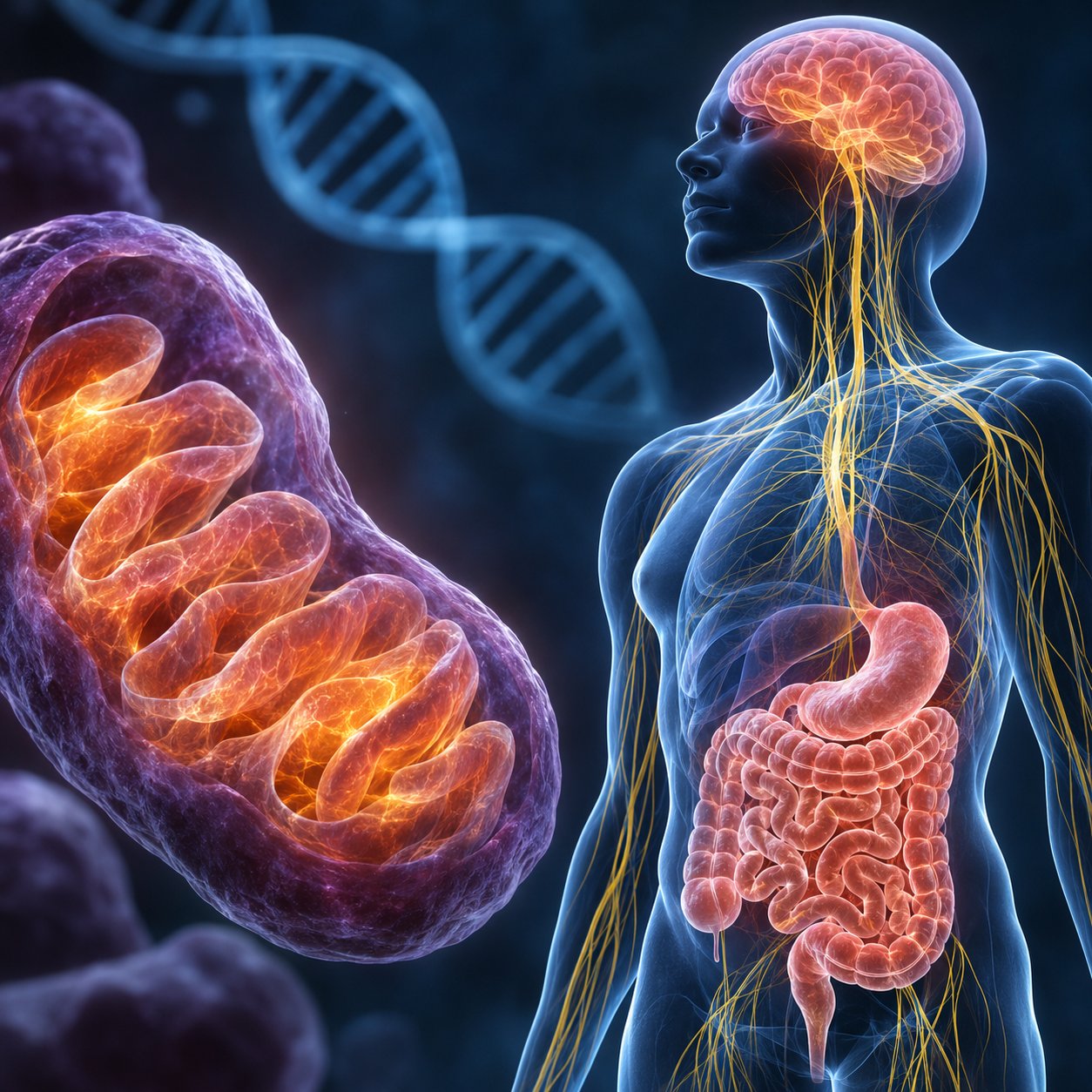
MNGIE: The Rare Mitochondrial Disease That Disrupts the Gut and Nervous System

Mitochondrial neurogastrointestinal encephalomyopathy (MNGIE) is a rare inherited multisystem disease characterised by severe gastrointestinal dysmotility, peripheral neuropathy, impaired eye movements and progressive physical deterioration. This Rare Disease Atlas profile explores its biological mechanisms, clinical manifestations, diagnostic challenges, investigations and treatment options, highlighting the dangers of investigating interconnected manifestations in isolation.