
I Am Angry
I am angry that uncertainty became certainty, that softened language obscures what is actually being claimed, that scepticism is treated as hostility, and that while we argue about FND, my wife keeps getting sicker.

For my wife. For answers. For as long as it takes.
 Christoff
Spousal caregiver
Welcome to my little corner of FND Nope. I'm Christoff, the person behind FND Nope. This is where I share my thoughts, investigations, frustrations, occasional sarcasm, and whatever else catches my interest. I'm sceptical of medical dogma, allergic to unquestioned authority, and firmly believe that no diagnosis or idea should be beyond criticism. You don't have to agree with me. Good arguments and evidence are always welcome.
I am angry that uncertainty became certainty, that softened language obscures what is actually being claimed, that scepticism is treated as hostility, and that while we argue about FND, my wife keeps getting sicker.
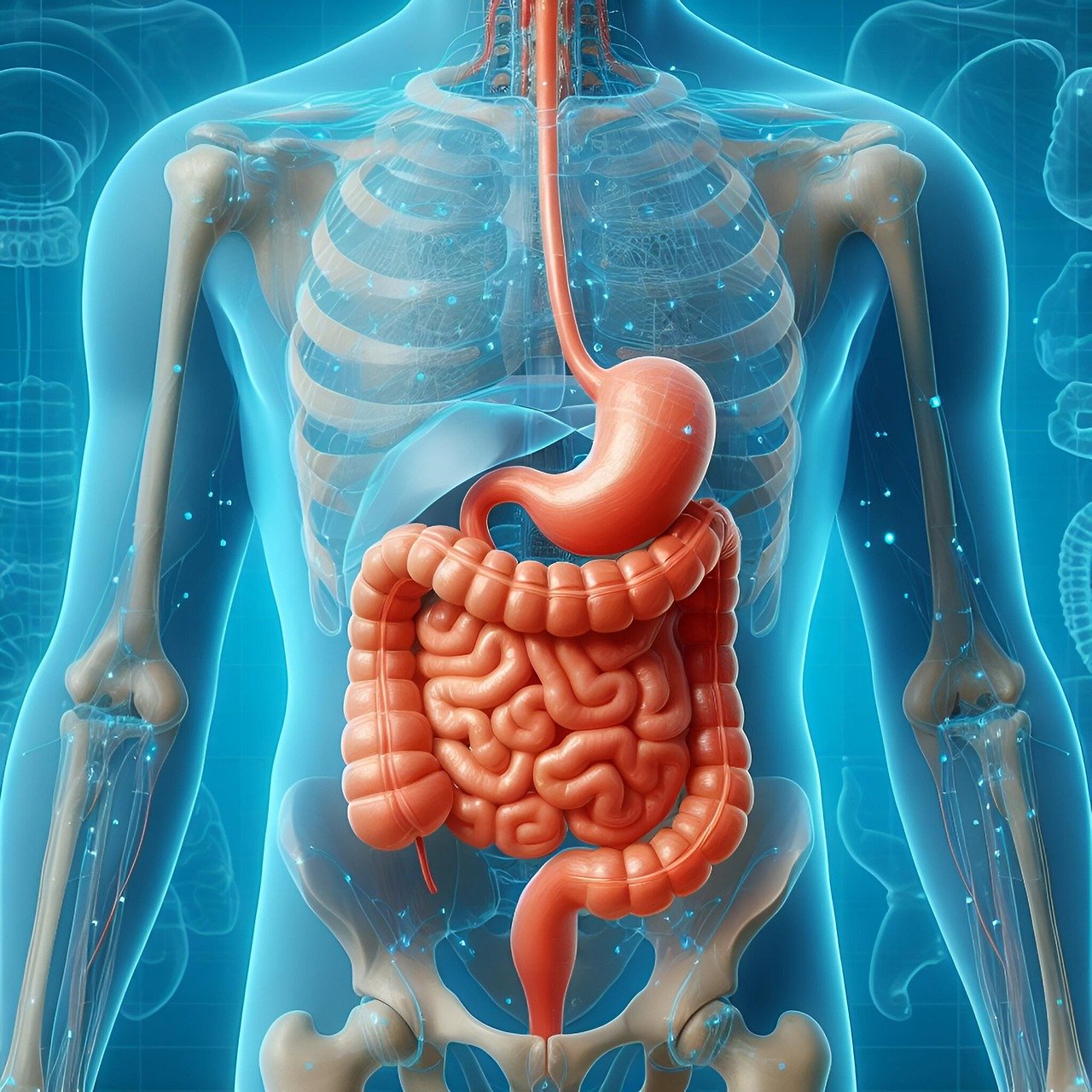
An update on my wife’s worsening gastrointestinal problems, the objectively demonstrated delayed intestinal transit, what has been excluded, what still needs investigation, and why it feels wrong that we are being left to work out the next steps ourselves.

An open letter addressing the removal of a disputed cartoon, clarifying what was—and was not—claimed, and reaffirming FND Nope’s commitment to open and critical discussion of the FND framework.
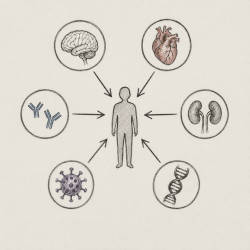
An exploration of FND, positive rule-in signs, comorbidity, predictive processing, diagnostic closure, and whether functional symptoms may reflect common phenotypes arising from multiple underlying conditions.

One of the most striking things you notice when you first start reading the literature on FND is how crucial it is considered for patients to accept and believe in the diagnosis. Without that belief, treatment is often regarded as futile. They simply will not get better.

A reflection on what makes a good doctor in the context of complex chronic illness, focusing on collaboration, systems thinking, and clinical humility.
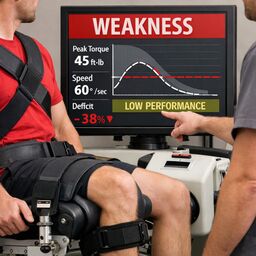
Examines Hoover's sign in a patient with true fatigable weakness. Highlights how objective isokinetic testing better captures performance deficits than traditional clinical signs, preventing misinterpretation as functional weakness.

When I started this website in July 2025, I received a lot of pushback from FND proponents. Some felt that the website was highly offensive and disrespectful, and urged me to please take the website down, which I obviously did not do.

One of the most common analogies that you would come across within FND literature is the software/hardware analogy.

FND patient communities provide support but risk echo chambers: illness becomes identity, criticism feels like attack, closing doors to misdiagnosis & recovery—modern hysteria protected by groupthink.

What advice would I give to anyone newly diagnosed with this disorder? Advice that I wish I had received back then?

As you might have noticed by now, I am not particularly convinced of the legitimacy of FND as a standalone diagnosis. I believe it is more likely a CNS knee-jerk reaction or referral to underlying causes, rather than a primary cause in itself. In other words, it may be something commonly observed as a consequence of an underlying illness (as pain is to fractures), not something that should automatically be treated or diagnosed as the illness itself, as is increasingly common practice these days.