I Am Angry
I am angry that uncertainty became certainty, that softened language obscures what is actually being claimed, that scepticism is treated as hostility, and that while we argue about FND, my wife keeps getting sicker.
Sign in to contribute to Collections.
I am angry that uncertainty became certainty, that softened language obscures what is actually being claimed, that scepticism is treated as hostility, and that while we argue about FND, my wife keeps getting sicker.
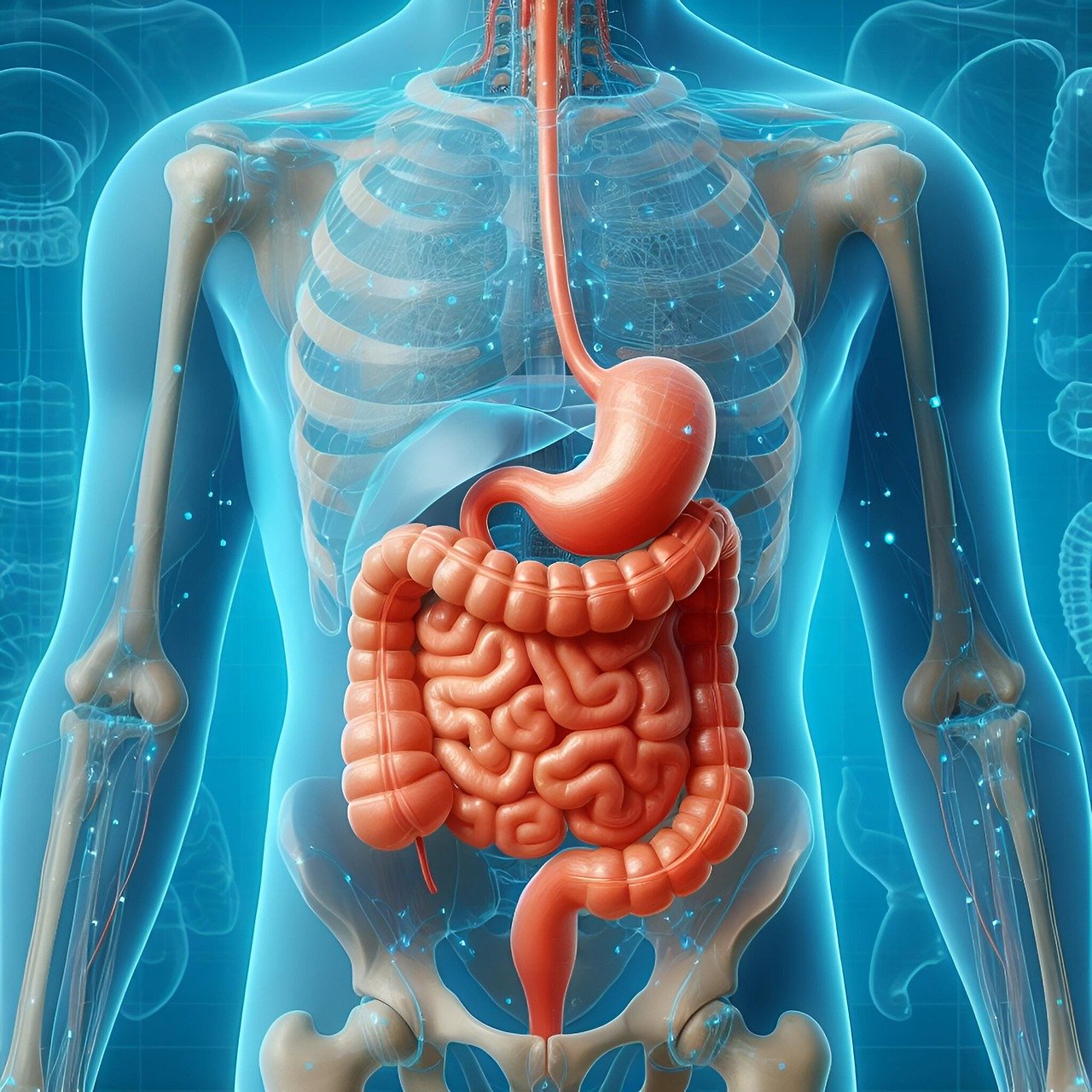
An update on my wife’s worsening gastrointestinal problems, the objectively demonstrated delayed intestinal transit, what has been excluded, what still needs investigation, and why it feels wrong that we are being left to work out the next steps ourselves.
Over the years, along with various doctors, we have considered many hypotheses regarding my wife's medical condition, ranging from Parkinson's, Wilson's disease, Multiple Sclerosis (MS), hepatic encephalopathy, B12 deficiencies, CMT (Charcot-Marie-Tooth), and even, briefly, FND, until we realised how speculative such a diagnosis truly is (in essence, no diagnosis, MUS in sheep clothing)
A short summary about my wife's gastroenterological journey that possibly led to her current neurological distress.
Over the years, navigating my wife's extremely complex medical journey, we have met a lot of doctors along the way: some great, some mediocre, and some negligent. Looking back retrospectively, there are a lot of things I wish we had done differently.
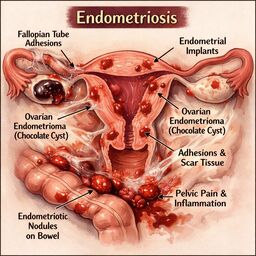
Ironically although doctors present the FND framework as a more evolved replacement for outdated concepts like hysteria, conditions such as endometriosis may still be wrongly attributed to FND, echoing the same historical misattributions that labelled unexplained female symptoms as psychological rather than physiological.
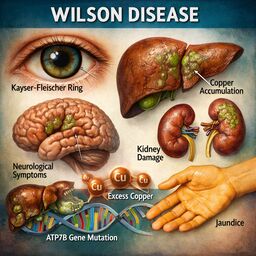
Around 1912, British neurologist Samuel Wilson described a condition he termed progressive lenticular degeneration, linking liver disease with neurological symptoms; this would later come to be known as Wilson disease.
When observing my wife’s medical condition retrospectively, I try to identify what my late father used to call Kairos moments. In other words, identifying the tipping points, the moments in time that brought us to where we are now.
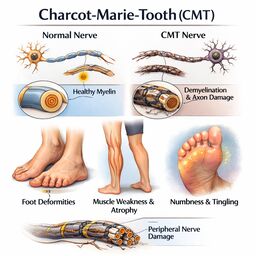
Charcot-Marie-Tooth (CMT) is a hereditary (genetic) disorder, not dental related as the name might suggest, that impacts the peripheral nerves, that is motor (movement) and sensory (sensation) nerves in the arms, legs, hands, and feet.
In Functional Neurological Disorder (FND), standard brain imaging (e.g. MRI, CT) usually appears normal, showing no structural damage, lesions, tumours, or other typical neurological signs, except when FND is comorbid with an organically confirmed neurological condition, such as multiple sclerosis, stroke, or epilepsy (like saying pain occurs alongside a bone fracture).
Over the centuries, doctors have devised a magnitude of methods to diagnose illnesses, from early clinical observations and skin prick tests, all the way through to X-rays, blood tests, ECGs, lumbar punctures, biopsies, mammograms, ultrasounds, endoscopies, stress tests, genetic testing, CT scans, MRIs, and functional imaging like PET scans, just to name a few.
For the past seven years, my wife’s health has steadily declined, which forced me into research mode - diving deep into various medical fields through countless hours of studying medical journals, textbooks, clinical resources, and literature, as we were passed from specialist to specialist.