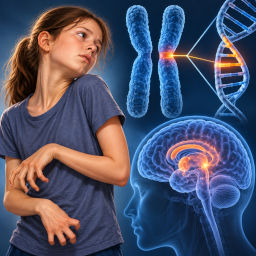
FND, Then Genetic Dystonia: A Pediatric DYT-TOR1A Case
 FND Nope
Moderator
FND Nope
Moderator
A pediatric patient diagnosed with Functional Neurological Disorder was later found to have DYT-TOR1A dystonia and responded well to deep brain stimulation. The authors retained FND as a coexisting diagnosis, raising an important question: once a genetic disorder capable of producing the movements was identified, what evidence determined which symptoms remained functional?
Janet Dafoe on FND: "Where the Sun Don’t Shine"
 X stories
Social media
X stories
Social media
ME/CFS advocate and psychologist Janet Dafoe has criticised psychosomatic explanations of poorly understood illness for years. In 2026, that criticism turned directly to FND, raising questions about diagnostic certainty, ME/CFS, Long COVID and what happens when uncertainty becomes a diagnosis.

The FND Dualism Debate May Be Starting With the Wrong Question
FND Nope
Moderator
A debate over whether FND is best understood through psychiatric, neurological or integrated explanations may be skipping a more fundamental question: what evidence establishes FND as a single underlying disorder rather than a recurring clinical phenotype?
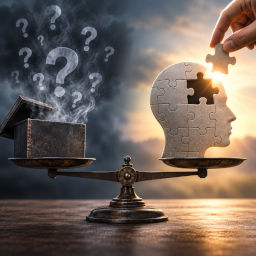
If FND Is Not ‘We Don’t Know’... What Exactly Do We Know?
FND Nope
Moderator
What do we actually know when we diagnose FND? A look at the epistemic limits of the diagnosis, the danger of treating unknowns as knowns, and how overstating certainty can contribute to diagnostic overshadowing and undermine advocacy.

How Can a Layman Determine Whether a Medical Diagnosis Is Legitimate?
FND Nope
Moderator
How do we know when a medical diagnosis has actually been demonstrated rather than simply defined? This post examines FND through ontology, epistemology and axiology, asking what positive signs really establish, where classification ends and explanation begins, and whether the confidence placed in the diagnosis matches the strength of the evidence behind it.
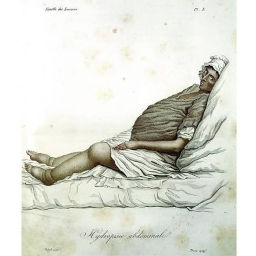
When the Presentation Becomes the Disease
FND Nope
Moderator
Dropsy was once treated as a disease until medicine discovered that it was merely a shared presentation of many underlying conditions. This article asks whether IBS and FND may represent similar umbrella categories that future medical advances will eventually divide into more precise diagnoses.

When Nursing Education Reinforces a Diagnosis
 Christoff Trüter
Spousal caregiver
Christoff Trüter
Spousal caregiver
Does this nursing guide teach observation, or does it teach reinforcement of a diagnosis? A critical examination of how skepticism, alternative diagnoses, and diagnostic uncertainty are presented to nursing staff.
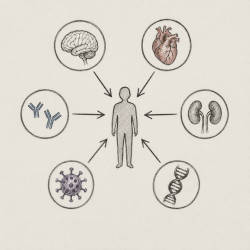
The Common Phenotypes Hypothesis
Christoff Trüter
Spousal caregiver
An exploration of FND, positive rule-in signs, comorbidity, predictive processing, diagnostic closure, and whether functional symptoms may reflect common phenotypes arising from multiple underlying conditions.
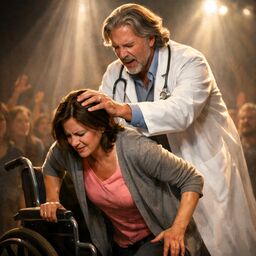
The Belief Prerequisite: How FND Treatment Echoes Faith Healing
Christoff Trüter
Spousal caregiver
One of the most striking things you notice when you first start reading the literature on FND is how crucial it is considered for patients to accept and believe in the diagnosis. Without that belief, treatment is often regarded as futile. They simply will not get better.
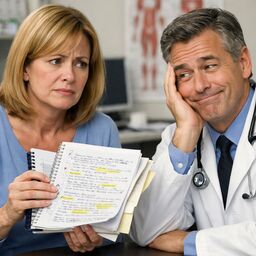
The FND quacks think that bringing a list of written notes to your appointment is near-certain proof that you have a psychosomatic disorder
 jakovmrc
Person with Long Covid
jakovmrc
Person with Long Covid
A critical examination of the evidence behind so-called “rule-in signs” for Functional Neurological Disorder, focusing on the claim that bringing written notes to an appointment strongly indicates a psychosomatic condition.