Organic Clues
A tag exploring clinical findings, objective abnormalities, and alternative disease processes that may point toward biological causes or warrant further investigation in cases labelled as FND.
18 Months of Neurological Decline, a Psychosomatic Label, and the Lyme Infection They Missed
 FND Nope
Moderator
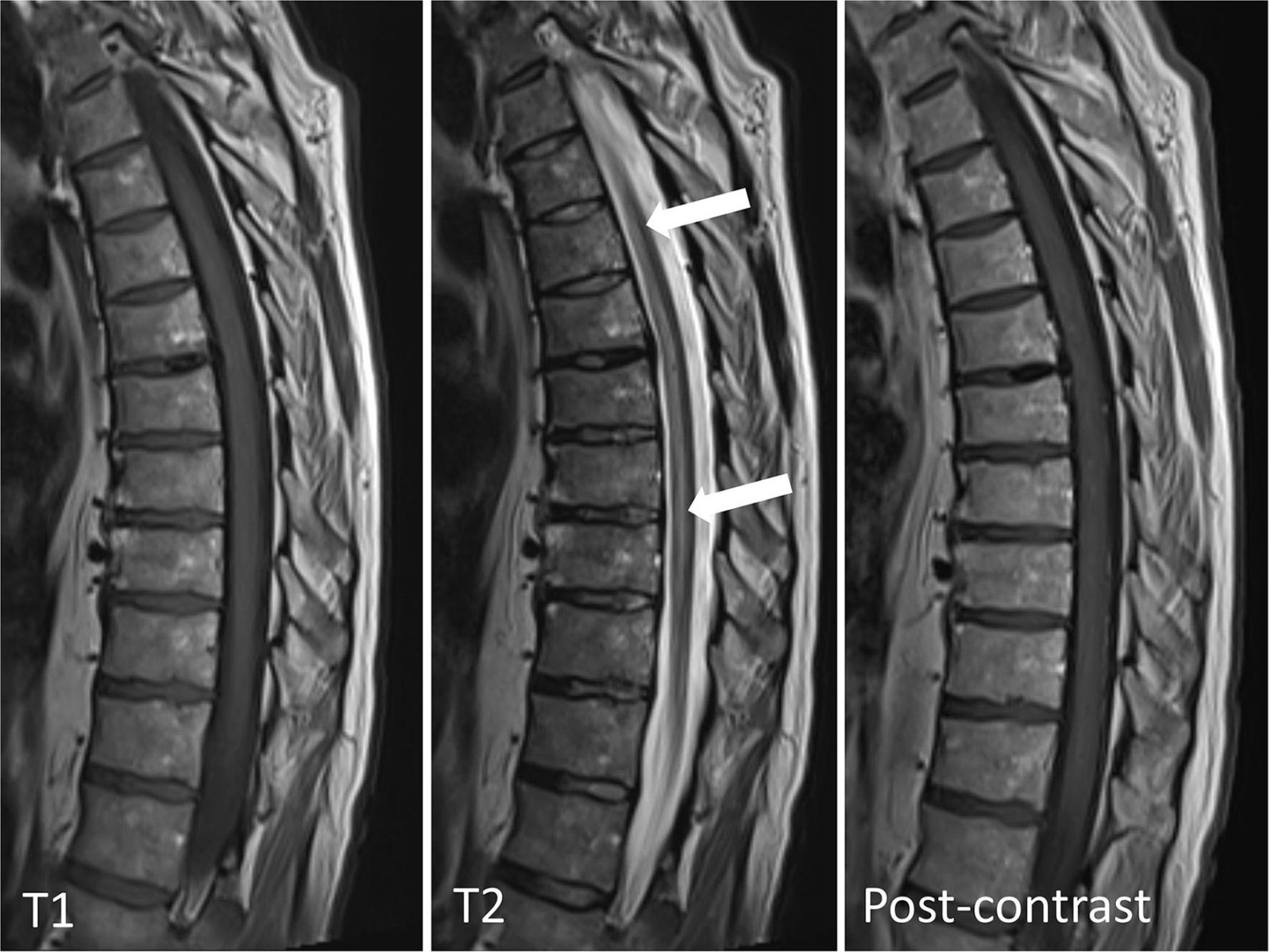
A 54-year-old woman spent more than 18 months experiencing progressive neurological symptoms before doctors identified late Lyme neuroborreliosis and spinal cord inflammation. Her symptoms had been attributed to psychosomatic causes, despite worsening mobility, bladder and bowel dysfunction, and significant weight loss. A 2025 case report documents the diagnostic delay, the evidence that overturned the earlier assumption, and the lasting disability after treatment.

The MRI Was Normal. The Lesion Was Still There.
FND Nope
Moderator
Studies using 7 Tesla MRI have uncovered neurological lesions missed by conventional scans, sometimes confirmed through surgery and pathology. So how much confidence should clinicians place in a normal MRI, and what happens when they decide patients do not need imaging at all?

“FND Fundamentalists”: New Study Exposes Deep Divisions Over Functional Neurological Diagnoses
FND Nope
Moderator
An international study involving 1,853 patients and 400 clinicians reveals profound disagreements over FND diagnoses in autoimmune disease, reports of diagnostic overshadowing, and clinical reasoning that raises important questions about whether neurological symptoms attributed to FND may have different underlying causes.

Lyme Neuroborreliosis Dismissed as Psychosomatic: The Diagnosis Came After 17 kg of Weight Loss
FND Nope
Moderator
A 30-year-old man with severe headaches, dizziness, exhaustion and dramatic weight loss was discharged with psychosomatic complaints after routine investigations found little wrong. Two weeks later, further testing revealed acute Lyme neuroborreliosis, a serious neurological infection that responded rapidly to antibiotics.

When Hoover's Sign Suggested Conversion Disorder, but Lyme Disease Entered the Picture
FND Nope
Moderator
A 2019 case report documents a woman whose weakness, anxiety and reported positive Hoover's sign raised suspicions of conversion disorder. Further investigations uncovered objective neurological abnormalities and evidence supporting possible Lyme neuroborreliosis.

When Lyme Disease Symptoms Persist: What Do We Actually Know?
FND Nope
Moderator
Lyme disease can have lasting consequences, but persistent symptoms do not necessarily mean persistent infection. We examine untreated infection, reinfection, treatment limitations, PTLDS and the difficult questions raised when patients with unresolved neurological symptoms receive an FND diagnosis. Drawing on published research, patient accounts and discussions on FND Nope, we also explore how clinical terminology can obscure rather than clarify diagnostic uncertainty.

When Drug-Induced Neurological Damage Gets Labelled FND
FND Nope
Moderator
Psychiatrist David Healy challenges the use of FND diagnoses in patients experiencing persistent medication-related neurological symptoms, warning that drug toxicity can be overlooked, patients dismissed and potentially harmful treatments repeated.

Periodic Paralysis: Another Neurological Disorder Mistaken for FND
FND Nope
Moderator
A reader highlights how children and adults with periodic paralysis, a recognised neuromuscular channelopathy, can be labelled with FND or anxiety instead. Medical literature confirms the diagnostic risk, including cases where appropriate testing identified a treatable disorder.

FND Study of Nearly 600,000 Patients Reveals Different Biological Patterns Behind Different Symptoms
FND Nope
Moderator
A major 2026 study links FND diagnoses to inherited disorders, congenital abnormalities, neurodevelopmental conditions and early-life biological factors. But are these vulnerabilities to FND, or evidence that different biological diseases produce overlapping clinical phenotypes? We examine the findings through the Common Phenotypes Hypothesis.

Two Women Diagnosed With FND Actually Had POTS — One Was Misdiagnosed Again When She Developed Paralysis
FND Nope
Moderator
A 2025 case series documents two young women whose involuntary movements were attributed to functional neurological disorder before testing confirmed POTS. One was later diagnosed with FND again after developing paralysis, only for further investigation to reveal hypokalemic periodic paralysis.