Diagnostic History
Posts exploring the historical development of medical diagnoses, diagnostic categories, and conceptual frameworks, including how older ideas shape current clinical practice.

Medication, Polypharmacy and FND: What the Research Reveals and What Remains Unanswered
 FND Nope
Moderator
A study of 322 motor FND patients documented extensive medication prescribing, substantial polypharmacy and concerns about potential iatrogenic harm. Beyond the numbers lie important questions about adverse drug effects, diagnostic reasoning and whether subsequent research has adequately addressed these risks.

FND, Compensation and the Convenient Theory That Financial Support Keeps People Disabled
FND Nope
Moderator
A 2026 Frontiers in Neurology review explores whether compensation, litigation and financial support can reinforce FND disability. But where is the evidence that paying injured people keeps them sick, and what happens when speculative theories influence legal liability?

Dismantling FND: When ME/CFS Starts Trespassing on Functional Neurology's Territory
FND Nope
Moderator
Dr. Brayden Yellman and Paige Zuckerman challenge FND, its diagnostic assumptions, and its overlap with ME/CFS. From seizure-like episodes explained by orthostatic intolerance to patients receiving alternative diagnoses, the question is simple: what happens when medicine starts explaining symptoms previously called functional?

10 Suspicious Things You Apparently Shouldn't Do Around an FND Specialist
 Quackademic
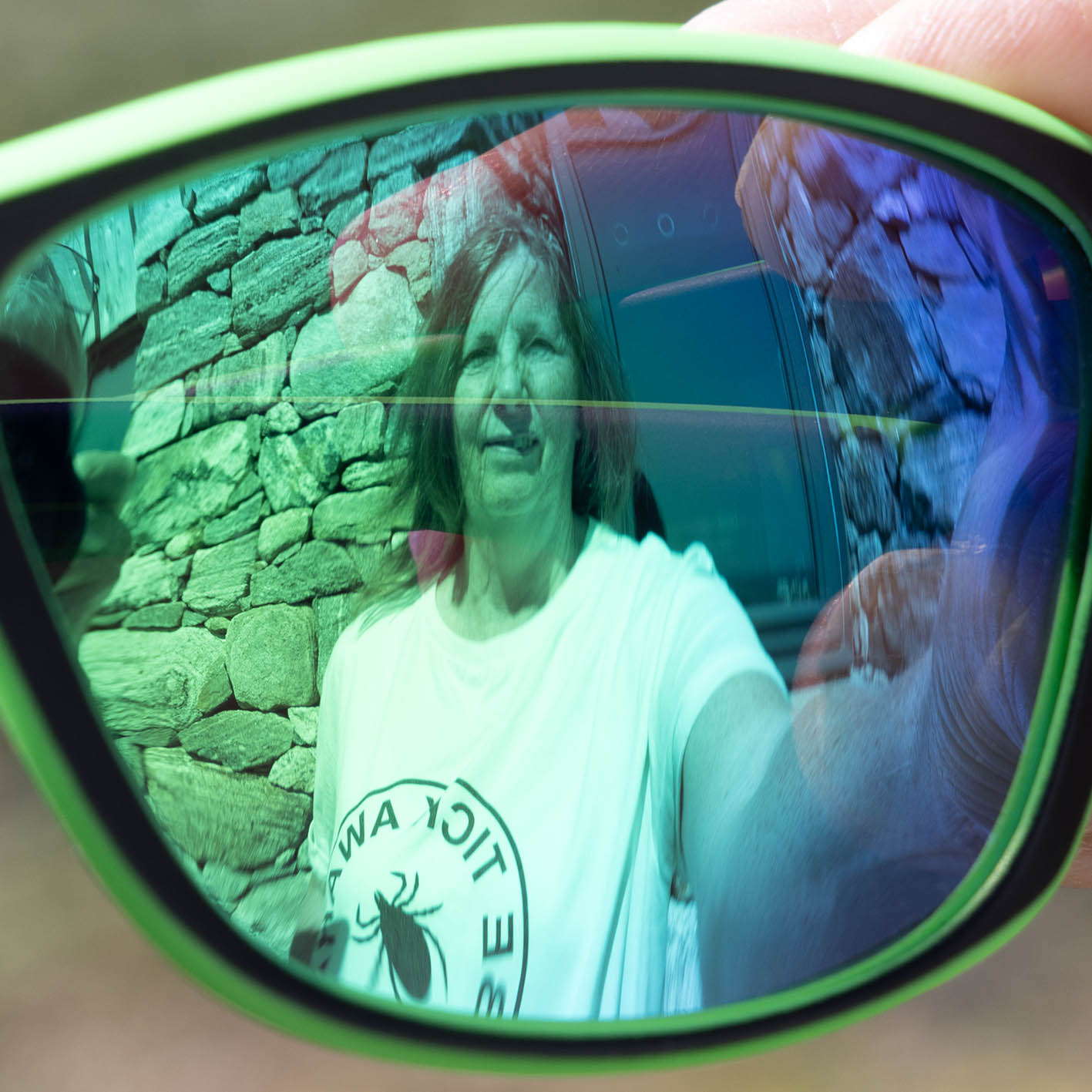
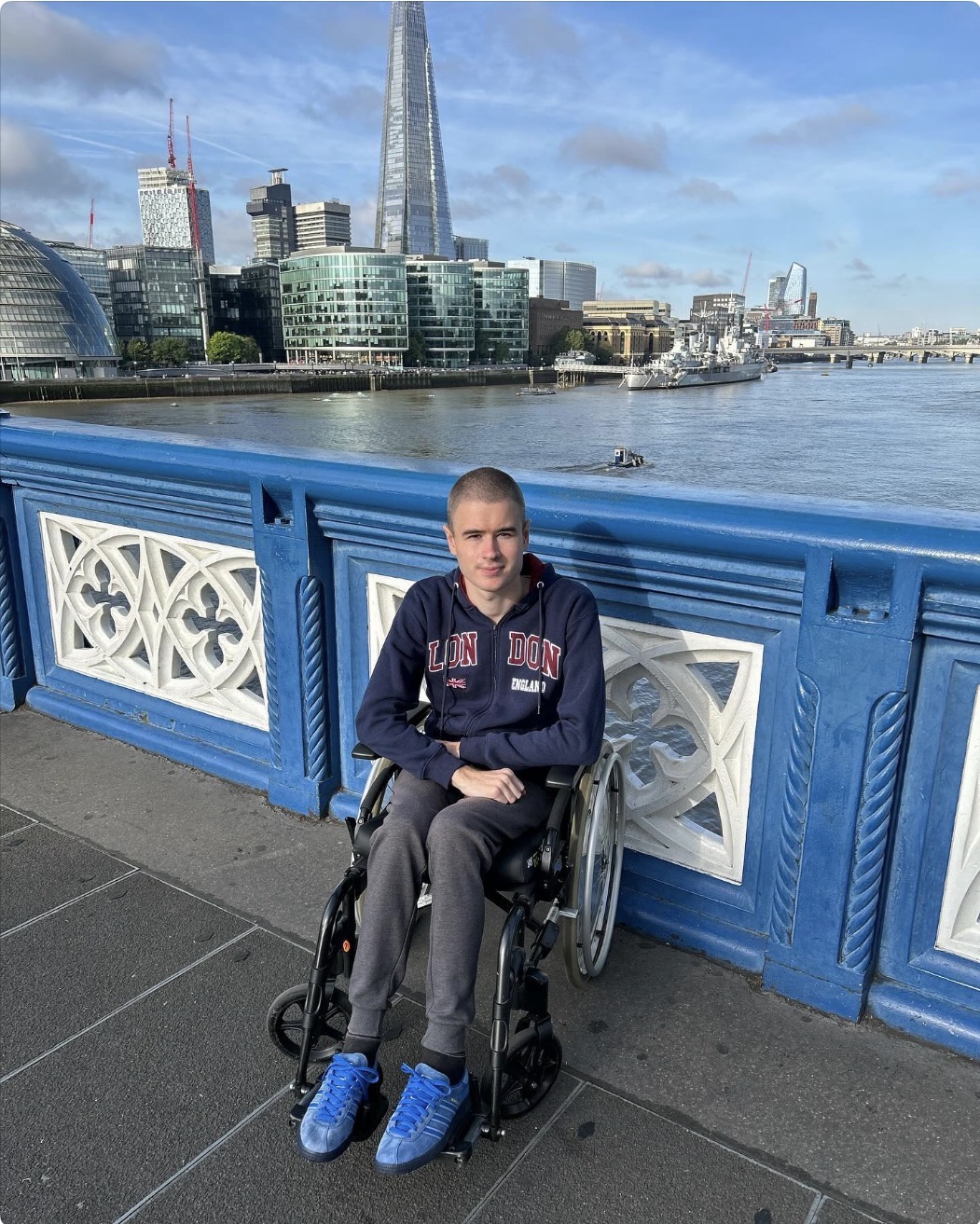
Sunglasses, wheelchairs, handwritten notes, music and even office chairs have all found their way into medical discussions of functional neurological symptoms. The real problem isn't that these observations necessarily diagnose FND, but that they can influence the wider clinical picture. A sarcastic, referenced tour of ten examples where ordinary behaviour risks becoming suspicious.

The Weaponization of FND: Selma Blair, MS, and Hysteria With Better Branding
Quackademic
An FND-focused healthcare professional accuses Selma Blair of seeking sympathy, questions her MS history using dancing videos and declares her symptoms textbook FND. Apparently, hysteria got a rebrand, not a retirement.
Diagnosed With FND After Her Son’s Suicide. It Was Fatal Frontotemporal Dementia
FND Nope
Moderator
A 47-year-old woman’s progressive neurological deterioration was attributed to conversion disorder after her son’s suicide. Despite abnormal findings and failed psychiatric treatments, the diagnosis persisted. Genetic testing eventually confirmed frontotemporal dementia. Her doctors later acknowledged the cognitive biases behind their diagnostic failure.
When Defending FND Means Missing the Point
Quackademic
David Healy's warning that drug toxicity can disappear behind an FND diagnosis has provoked predictable criticism. But much of the response confuses how FND is supposed to be diagnosed with how it is actually diagnosed. The literature itself shows misdiagnosis, overdiagnosis and diagnostic overshadowing occur. You can dislike Healy's language. You still have to answer his argument.

I Am Angry
 Christoff
Spousal caregiver
I am angry that uncertainty became certainty, that softened language obscures what is actually being claimed, that scepticism is treated as hostility, and that while we argue about FND, my wife keeps getting sicker.

FND: New Name, Same Old Problems?
FND Nope
Moderator
FND is celebrated as an area of medical progress, but how much has actually changed? Historical research reveals continuity with hysteria and conversion disorder, while modern diagnostic uncertainty and limited treatment breakthroughs raise questions about whether institutional recognition has outpaced meaningful progress for patients.

The Belief Prerequisite: How FND Treatment Echoes Faith Healing
Christoff
Spousal caregiver
One of the most striking things you notice when you first start reading the literature on FND is how crucial it is considered for patients to accept and believe in the diagnosis. Without that belief, treatment is often regarded as futile. They simply will not get better.