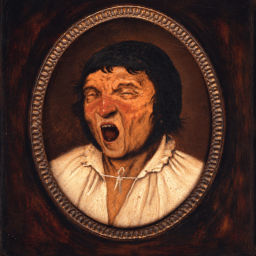
Four Years of Dystonia: Meige Syndrome Misdiagnosed as FND
 FND Nope
Moderator
FND Nope
Moderator
A 2024 case report describes a 42-year-old woman diagnosed and treated for FND despite persistent facial, oral and cervical movements. After treatment failed, neurology diagnosed Meige syndrome. The authors explicitly describe the original FND diagnosis as a misdiagnosis.
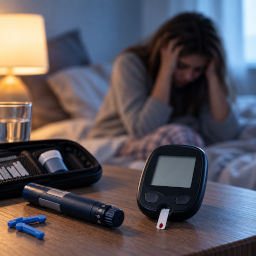
Severe Hypoglycaemia Mistaken for Conversion Disorder
FND Nope
Moderator
A 2025 case report describes a 17-year-old with type 1 diabetes whose abnormal behaviour and movements were initially attributed to conversion disorder. Glucose readings of 36 and 24 mg/dL during attacks revealed severe hypoglycaemia, and the conversion diagnosis was withdrawn.

When an Unexplained Gait Became Conversion Disorder: A Huntington’s Disease Case
FND Nope
Moderator
A 65-year-old woman with an abnormal gait, cognitive decline and psychiatric symptoms was diagnosed with conversion disorder after inconclusive neurological investigations. Years later, genetic testing confirmed Huntington’s disease—raising a difficult question: what positive evidence had established conversion disorder in the first place?
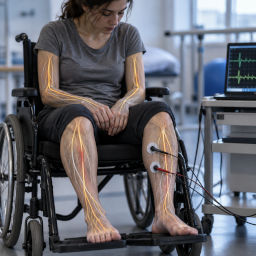
When FND Overshadowed an Axonal Neuropathy: A Case of AMSAN
FND Nope
Moderator
A 22-year-old woman entered rehabilitation with FND as her primary diagnosis while an underlying acute motor and sensory axonal neuropathy (AMSAN) remained unrecognised. EMG and nerve conduction studies later demonstrated extensive axonal damage, leading to IVIG treatment and improved rehabilitation progress. The authors explicitly describe the case as diagnostic overshadowing.

When Suppressible Movements Were Called Functional: A Genetic PKD Case
FND Nope
Moderator
A 14-year-old boy was diagnosed with a functional movement disorder after presenting with suppressible involuntary movements and psychiatric comorbidity. Further investigation identified monogenic paroxysmal kinesigenic dyskinesia (PKD), while the authors noted that specific positive features supporting the original functional diagnosis had been absent.
FND, Then Genetic Dystonia: A Pediatric DYT-TOR1A Case
FND Nope
Moderator
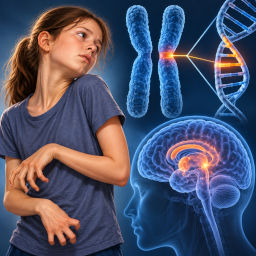
A pediatric patient diagnosed with Functional Neurological Disorder was later found to have DYT-TOR1A dystonia and responded well to deep brain stimulation. The authors retained FND as a coexisting diagnosis, raising an important question: once a genetic disorder capable of producing the movements was identified, what evidence determined which symptoms remained functional?

The FND Dualism Debate May Be Starting With the Wrong Question
FND Nope
Moderator
A debate over whether FND is best understood through psychiatric, neurological or integrated explanations may be skipping a more fundamental question: what evidence establishes FND as a single underlying disorder rather than a recurring clinical phenotype?

How Can a Layman Determine Whether a Medical Diagnosis Is Legitimate?
FND Nope
Moderator
How do we know when a medical diagnosis has actually been demonstrated rather than simply defined? This post examines FND through ontology, epistemology and axiology, asking what positive signs really establish, where classification ends and explanation begins, and whether the confidence placed in the diagnosis matches the strength of the evidence behind it.
When the Presentation Becomes the Disease
FND Nope
Moderator
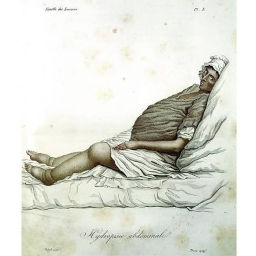
Dropsy was once treated as a disease until medicine discovered that it was merely a shared presentation of many underlying conditions. This article asks whether IBS and FND may represent similar umbrella categories that future medical advances will eventually divide into more precise diagnoses.

When Nursing Education Reinforces a Diagnosis
 Christoff Trüter
Spousal caregiver
Christoff Trüter
Spousal caregiver
Does this nursing guide teach observation, or does it teach reinforcement of a diagnosis? A critical examination of how skepticism, alternative diagnoses, and diagnostic uncertainty are presented to nursing staff.