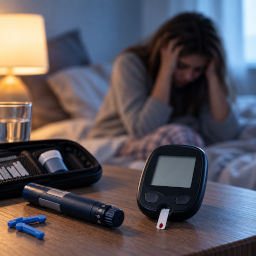
Severe Hypoglycaemia Mistaken for Conversion Disorder
 FND Nope
Moderator
FND Nope
Moderator
A 2025 case report describes a 17-year-old with type 1 diabetes whose abnormal behaviour and movements were initially attributed to conversion disorder. Glucose readings of 36 and 24 mg/dL during attacks revealed severe hypoglycaemia, and the conversion diagnosis was withdrawn.

When an Unexplained Gait Became Conversion Disorder: A Huntington’s Disease Case
FND Nope
Moderator
A 65-year-old woman with an abnormal gait, cognitive decline and psychiatric symptoms was diagnosed with conversion disorder after inconclusive neurological investigations. Years later, genetic testing confirmed Huntington’s disease—raising a difficult question: what positive evidence had established conversion disorder in the first place?
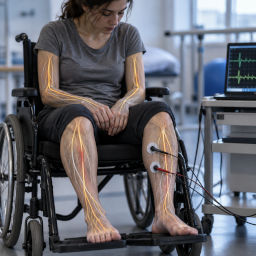
When FND Overshadowed an Axonal Neuropathy: A Case of AMSAN
FND Nope
Moderator
A 22-year-old woman entered rehabilitation with FND as her primary diagnosis while an underlying acute motor and sensory axonal neuropathy (AMSAN) remained unrecognised. EMG and nerve conduction studies later demonstrated extensive axonal damage, leading to IVIG treatment and improved rehabilitation progress. The authors explicitly describe the case as diagnostic overshadowing.

When Suppressible Movements Were Called Functional: A Genetic PKD Case
FND Nope
Moderator
A 14-year-old boy was diagnosed with a functional movement disorder after presenting with suppressible involuntary movements and psychiatric comorbidity. Further investigation identified monogenic paroxysmal kinesigenic dyskinesia (PKD), while the authors noted that specific positive features supporting the original functional diagnosis had been absent.

FND, Then Genetic Dystonia: A Pediatric DYT-TOR1A Case
FND Nope
Moderator
A pediatric patient diagnosed with Functional Neurological Disorder was later found to have DYT-TOR1A dystonia and responded well to deep brain stimulation. The authors retained FND as a coexisting diagnosis, raising an important question: once a genetic disorder capable of producing the movements was identified, what evidence determined which symptoms remained functional?
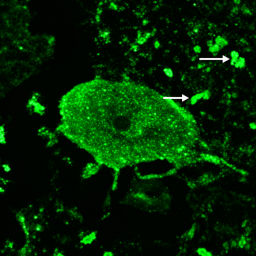
When Stress-Sensitive Stiffness Was Diagnosed as Conversion Disorder
FND Nope
Moderator
A 52-year-old woman developed progressive leg stiffness, spasms and severe gait impairment that worsened with stress and fatigue. After multiple evaluations, she was diagnosed with conversion disorder. A year later, markedly elevated anti-GAD antibodies and characteristic EMG abnormalities supported stiff-person syndrome, with significant improvement following IVIG.

Diagnosed With FND After Three Weeks: 200 Seizures Later, Doctors Found Severe Hypoglycaemia
FND Nope
Moderator
Diagnosed with FND after three weeks, an Australian teenager endured around 200 seizures before severe hypoglycaemia linked to a gastrointestinal motility disorder was identified.

When Something Doesn’t Add Up: The MRI That Finally Gave Me Another Lead
 Facebook Stories
Social media
Facebook Stories
Social media
After years of worsening symptoms, repeated A&E visits and an FND diagnosis that never fully seemed to fit, a long-awaited MRI finally revealed cervical spine abnormalities that now require further investigation. This is a patient story about persistence, uncertainty and the importance of taking another look when something does not add up.

The Falsification Problem: FND Resolved After CSF Leak Repair
FND Nope
Moderator
A patient diagnosed with FND recovered completely after surgical repair of a CSF leak. Why did the diagnosis remain? This article explores what the case reveals about comorbidity, diagnostic reasoning, and the falsification problem in FND.
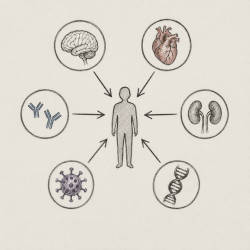
The Common Phenotypes Hypothesis
 Christoff Trüter
Spousal caregiver
Christoff Trüter
Spousal caregiver
An exploration of FND, positive rule-in signs, comorbidity, predictive processing, diagnostic closure, and whether functional symptoms may reflect common phenotypes arising from multiple underlying conditions.