The FND Dualism Debate May Be Starting With the Wrong Question
 FND Nope
Moderator
FND Nope
Moderator
A debate over whether FND is best understood through psychiatric, neurological or integrated explanations may be skipping a more fundamental question: what evidence establishes FND as a single underlying disorder rather than a recurring clinical phenotype?
When the Presentation Becomes the Disease
FND Nope
Moderator
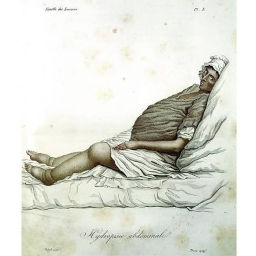
Dropsy was once treated as a disease until medicine discovered that it was merely a shared presentation of many underlying conditions. This article asks whether IBS and FND may represent similar umbrella categories that future medical advances will eventually divide into more precise diagnoses.

The Falsification Problem: FND Resolved After CSF Leak Repair
FND Nope
Moderator
A patient diagnosed with FND recovered completely after surgical repair of a CSF leak. Why did the diagnosis remain? This article explores what the case reveals about comorbidity, diagnostic reasoning, and the falsification problem in FND.
The Common Phenotypes Hypothesis
 Christoff Trüter
Spousal caregiver
Christoff Trüter
Spousal caregiver
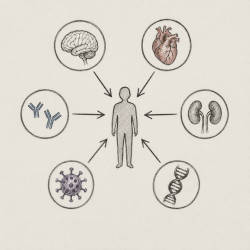
An exploration of FND, positive rule-in signs, comorbidity, predictive processing, diagnostic closure, and whether functional symptoms may reflect common phenotypes arising from multiple underlying conditions.
ALS or FND? The Troubling Case of Tanea "Rebel" Brooks
 X stories
Social media
X stories
Social media
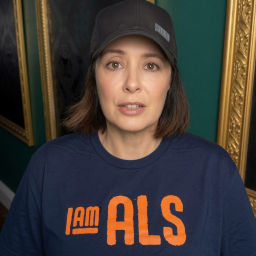
Tanea "Rebel" Brooks has faced a devastating battle with lymphoma and a terminal ALS diagnosis. This piece explores her difficult medical journey and raises the question I’ve been wondering about: Could Functional Neurological Disorder (FND) be playing a role in misdiagnosis or diagnostic confusion?
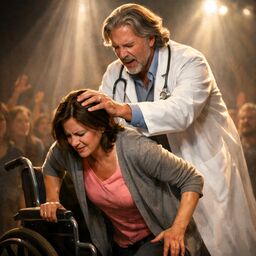
The Belief Prerequisite: How FND Treatment Echoes Faith Healing
Christoff Trüter
Spousal caregiver
One of the most striking things you notice when you first start reading the literature on FND is how crucial it is considered for patients to accept and believe in the diagnosis. Without that belief, treatment is often regarded as futile. They simply will not get better.
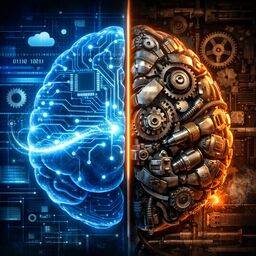
FND's Flawed Analogy: When 'Software' Problems can Hide Undetected Hardware Damage
Christoff Trüter
Spousal caregiver
One of the most common analogies that you would come across within FND literature is the software/hardware analogy.

Why Calling It FND Can Be Misleading and Potentially Dangerous
Christoff Trüter
Spousal caregiver
As you might have noticed by now, I am not particularly convinced of the legitimacy of FND as a standalone diagnosis. I believe it is more likely a CNS knee-jerk reaction or referral to underlying causes, rather than a primary cause in itself. In other words, it may be something commonly observed as a consequence of an underlying illness (as pain is to fractures), not something that should automatically be treated or diagnosed as the illness itself, as is increasingly common practice these days.

FND Might Be Nothing More Than a CNS Reflex
Christoff Trüter
Spousal caregiver
What do I mean when I hypothesize that Functional Neurological Disorder (FND) might be nothing more than a central nervous system reflex?