Four Years of Dystonia: Meige Syndrome Misdiagnosed as FND
 FND Nope
Moderator
FND Nope
Moderator
A 2024 case report describes a 42-year-old woman diagnosed and treated for FND despite persistent facial, oral and cervical movements. After treatment failed, neurology diagnosed Meige syndrome. The authors explicitly describe the original FND diagnosis as a misdiagnosis.
Severe Hypoglycaemia Mistaken for Conversion Disorder
FND Nope
Moderator
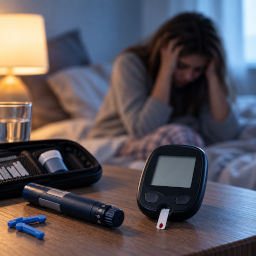
A 2025 case report describes a 17-year-old with type 1 diabetes whose abnormal behaviour and movements were initially attributed to conversion disorder. Glucose readings of 36 and 24 mg/dL during attacks revealed severe hypoglycaemia, and the conversion diagnosis was withdrawn.

When an Unexplained Gait Became Conversion Disorder: A Huntington’s Disease Case
FND Nope
Moderator
A 65-year-old woman with an abnormal gait, cognitive decline and psychiatric symptoms was diagnosed with conversion disorder after inconclusive neurological investigations. Years later, genetic testing confirmed Huntington’s disease—raising a difficult question: what positive evidence had established conversion disorder in the first place?
When FND Overshadowed an Axonal Neuropathy: A Case of AMSAN
FND Nope
Moderator
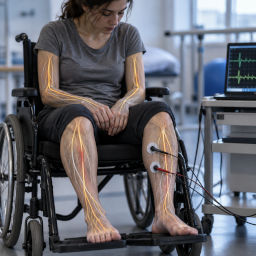
A 22-year-old woman entered rehabilitation with FND as her primary diagnosis while an underlying acute motor and sensory axonal neuropathy (AMSAN) remained unrecognised. EMG and nerve conduction studies later demonstrated extensive axonal damage, leading to IVIG treatment and improved rehabilitation progress. The authors explicitly describe the case as diagnostic overshadowing.

When Suppressible Movements Were Called Functional: A Genetic PKD Case
FND Nope
Moderator
A 14-year-old boy was diagnosed with a functional movement disorder after presenting with suppressible involuntary movements and psychiatric comorbidity. Further investigation identified monogenic paroxysmal kinesigenic dyskinesia (PKD), while the authors noted that specific positive features supporting the original functional diagnosis had been absent.
FND, Then Genetic Dystonia: A Pediatric DYT-TOR1A Case
FND Nope
Moderator
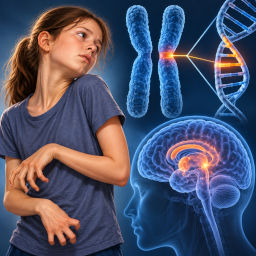
A pediatric patient diagnosed with Functional Neurological Disorder was later found to have DYT-TOR1A dystonia and responded well to deep brain stimulation. The authors retained FND as a coexisting diagnosis, raising an important question: once a genetic disorder capable of producing the movements was identified, what evidence determined which symptoms remained functional?
When Stress-Sensitive Stiffness Was Diagnosed as Conversion Disorder
FND Nope
Moderator
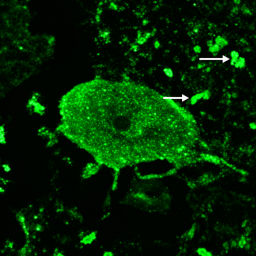
A 52-year-old woman developed progressive leg stiffness, spasms and severe gait impairment that worsened with stress and fatigue. After multiple evaluations, she was diagnosed with conversion disorder. A year later, markedly elevated anti-GAD antibodies and characteristic EMG abnormalities supported stiff-person syndrome, with significant improvement following IVIG.

When Conversion Disorder Was Actually a Rare Prion Disease
FND Nope
Moderator
A woman with tremor, speech problems and slowed movements was diagnosed with conversion disorder after early neurological investigations were unrevealing. As her condition progressively deteriorated, genetic testing ultimately confirmed Gerstmann–Sträussler–Scheinker disease caused by a rare PRNP mutation.
When “Functional” Signs Mislead: GSS Misdiagnosed as Conversion Disorder
FND Nope
Moderator
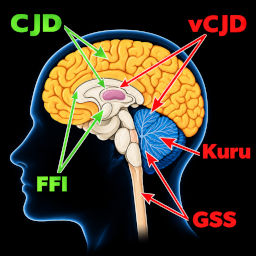
A man whose variable, distractible and inconsistent neurological findings contributed to a diagnosis of conversion disorder continued to deteriorate for years. After his death, neuropathology and genetic testing confirmed Gerstmann-Sträussler-Scheinker syndrome, showing how genuine clinical observations can support the wrong diagnostic interpretation.
A Case of Sporadic Creutzfeldt-Jakob Disease Presenting as Conversion Disorder
FND Nope
Moderator
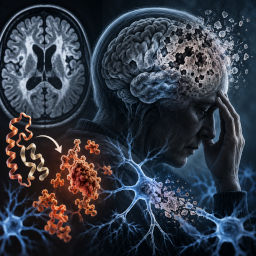
A 64-year-old woman was diagnosed with a functional neurological movement disorder after clinicians observed distractibility, variability and entrainment. Within weeks, worsening symptoms and newly abnormal EEG and MRI findings reopened the investigation, and a brain biopsy confirmed sporadic Creutzfeldt-Jakob disease.