Presentation
Posts exploring the symptoms, signs, and clinical presentations associated with Functional Neurological Disorder, including how FND is described and recognised in clinical practice.

FND Study of Nearly 600,000 Patients Reveals Different Biological Patterns Behind Different Symptoms
 FND Nope
Moderator
A major 2026 study links FND diagnoses to inherited disorders, congenital abnormalities, neurodevelopmental conditions and early-life biological factors. But are these vulnerabilities to FND, or evidence that different biological diseases produce overlapping clinical phenotypes? We examine the findings through the Common Phenotypes Hypothesis.
10 Suspicious Things You Apparently Shouldn't Do Around an FND Specialist
 Quackademic
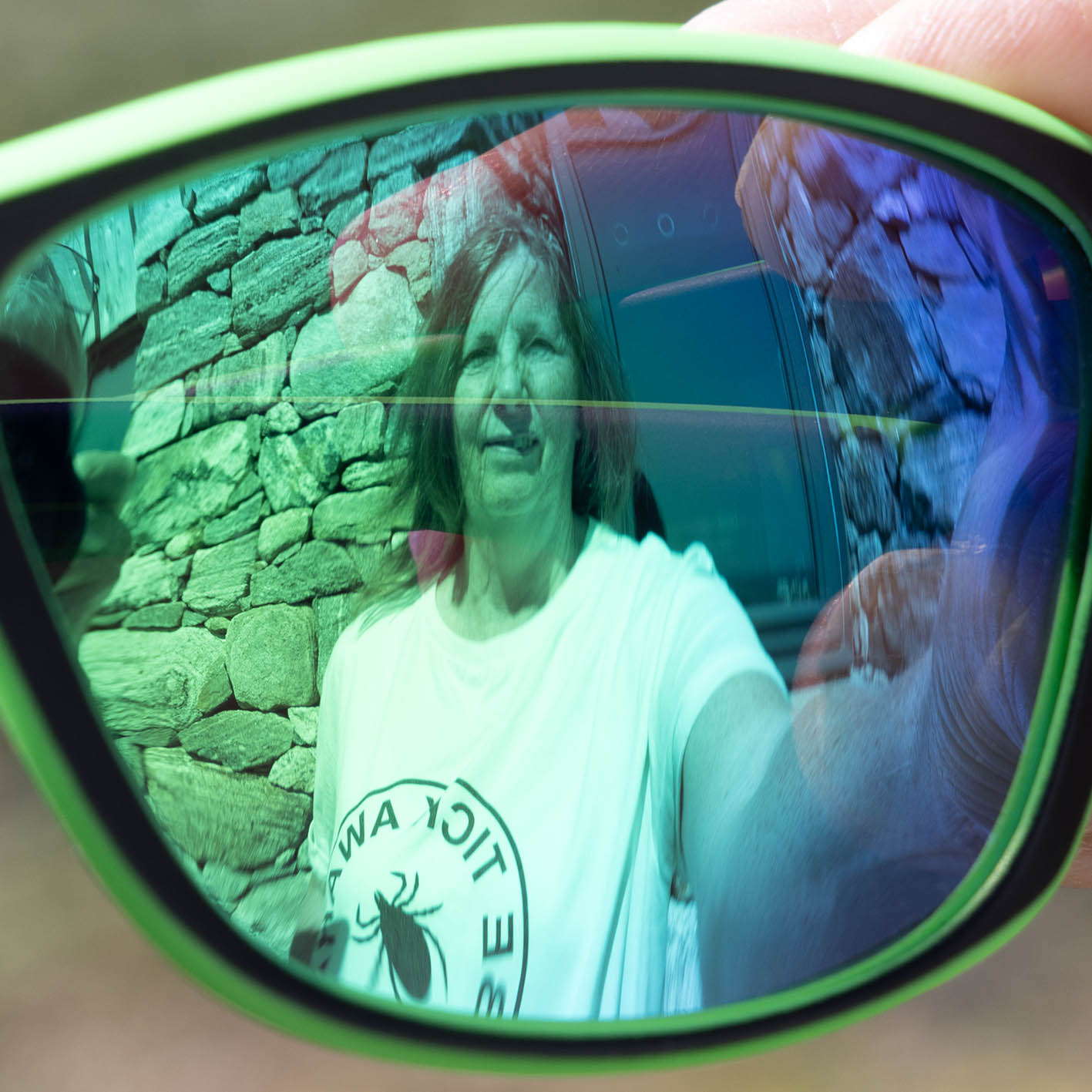
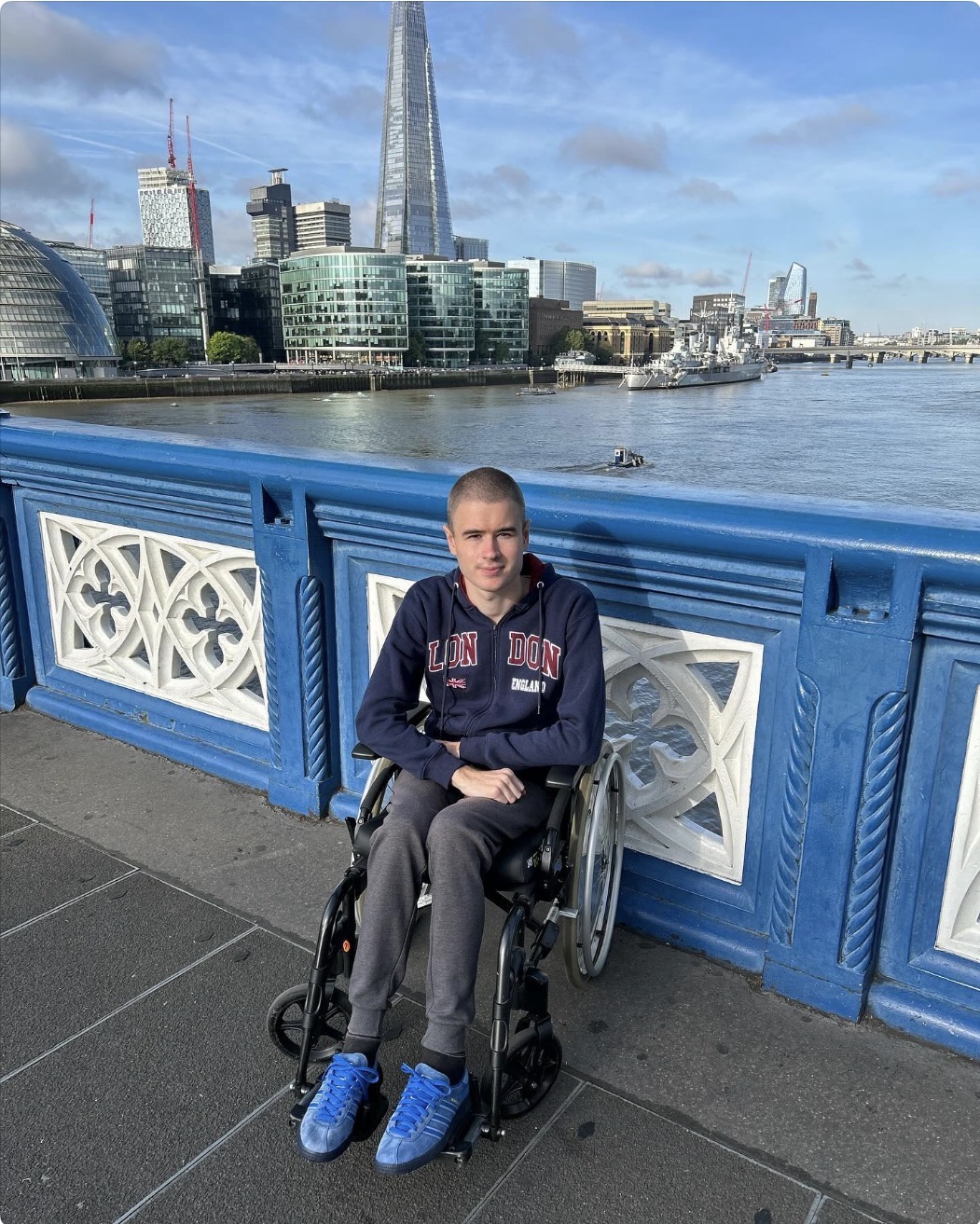
Sunglasses, wheelchairs, handwritten notes, music and even office chairs have all found their way into medical discussions of functional neurological symptoms. The real problem isn't that these observations necessarily diagnose FND, but that they can influence the wider clinical picture. A sarcastic, referenced tour of ten examples where ordinary behaviour risks becoming suspicious.
The Diagnosis of the Gaps: FND and the Problem of Phenotype Overlap
Quackademic
Davenport et al.’s comparison of Long COVID, ME/CFS and FND has drawn criticism, but some apparent errors expose a deeper problem: when FND can resemble almost every common neurological phenotype, definitions can determine the answer before the differential even begins.

How Can a Layman Determine Whether a Medical Diagnosis Is Legitimate?
FND Nope
Moderator
How do we know when a medical diagnosis has actually been demonstrated rather than simply defined? This post examines FND through ontology, epistemology and axiology, asking what positive signs really establish, where classification ends and explanation begins, and whether the confidence placed in the diagnosis matches the strength of the evidence behind it.

The Falsification Problem: FND Resolved After CSF Leak Repair
FND Nope
Moderator
A patient diagnosed with FND recovered completely after surgical repair of a CSF leak. Why did the diagnosis remain? This article explores what the case reveals about comorbidity, diagnostic reasoning, and the falsification problem in FND.

The FND quacks think that bringing a list of written notes to your appointment is near-certain proof that you have a psychosomatic disorder
 jakovmrc
Person with Long Covid
A critical examination of the evidence behind so-called “rule-in signs” for Functional Neurological Disorder, focusing on the claim that bringing written notes to an appointment strongly indicates a psychosomatic condition.

Is FND a diagnosis of exclusion? A Monte Carlo simulation
FND Nope
Moderator
This post explores how DSM-5 criteria for FND expand diagnoses compared with DSM-4 Conversion Disorder, using a simulation to show the impact of positive signs, comorbidities, and Dr Allen Frances’ concerns about diagnostic inflation.

When Dramatic Symptoms Are Dismissed: The Problem with Rule-In FND Diagnosis
 Christoff
Spousal caregiver
In the world of FND diagnosis, observation is the primary tool used to positively identify cases caused by non-organic "functional" factors, rather than by physical damage to the spinal cord, nerves, or brain.