FND: Seizures
Posts involving functional or dissociative seizures, PNES, seizure-like episodes attributed to FND, and cases examining that diagnostic presentation.

State Rep. Tricia Byrnes Is Looking for the Filmmaker Who’ll Investigate FND
 Facebook Stories
Social media
Missouri State Rep. Tricia Byrnes is seeking a filmmaker to investigate Functional Neurological Disorder. She says hundreds of families report children were labeled with FND before doctors fully checked seizures and loss of mobility, and that second opinions were blocked.
Diagnosed With Functional Seizures After Bereavement. It Was Autoimmune Encephalitis.
 FND Nope
Moderator
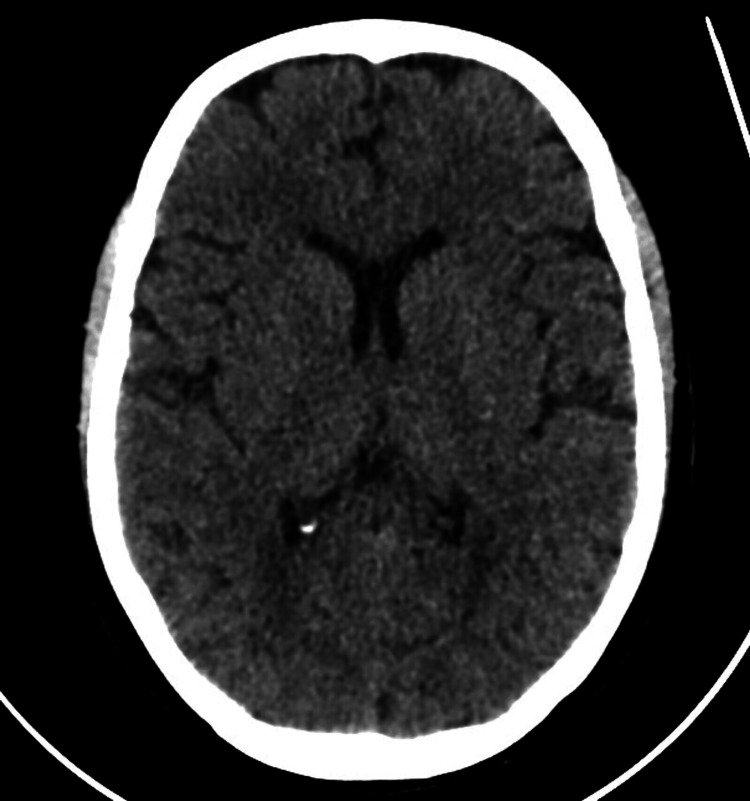
A woman in her 40s was treated for functional neurological disorder and psychogenic non-epileptic seizures after a family bereavement. Her worsening symptoms were eventually traced to anti-LGI1 autoimmune encephalitis, a treatable neurological disease confirmed through MRI and antibody testing.

17 Patients Diagnosed With Psychogenic Seizures. All 17 Had Evidence of Autonomic Dysfunction
FND Nope
Moderator
A September 2026 study examined 17 patients diagnosed with psychogenic non-epileptic seizures. All had abnormal orthostatic findings, and 10 of 14 patients receiving medication improved after treatment for autonomic dysfunction. Some had visited emergency departments up to seven times before further neurological assessment. The findings raise serious questions about premature PNES diagnoses and missed physiological causes of seizure-like movements.
FND Treatment Trials Failed Their Primary Outcomes. Researchers Shifted the Goalposts.
FND Nope
Moderator
The CODES and Physio4FMD trials failed to demonstrate significant benefits on their primary outcomes. David Tuller exposes how FND researchers subsequently promoted secondary findings, questioned their original measures and misrepresented consensus recommendations.

Suicidality in FND: Are Researchers Overlooking the Obvious?
FND Nope
Moderator
When people live with disabling symptoms, chronic pain and uncertain futures, suicidal thoughts are hardly inexplicable. So why does FND research place such emphasis on psychiatric comorbidities? A closer look at the research agenda and the common-sense questions it raises.

Diagnosed With FND, Died From a Pulmonary Embolism: The Questions Allison Lawlor's Story Raises
FND Nope
Moderator
Allison Lawlor lived with severe neurological symptoms, received an FND diagnosis and later died from a pulmonary embolism. Her story raises important questions about diagnostic uncertainty, thromboembolic risk and why patients owe no loyalty to a diagnosis.

Dismantling FND: When ME/CFS Starts Trespassing on Functional Neurology's Territory
FND Nope
Moderator
Dr. Brayden Yellman and Paige Zuckerman challenge FND, its diagnostic assumptions, and its overlap with ME/CFS. From seizure-like episodes explained by orthostatic intolerance to patients receiving alternative diagnoses, the question is simple: what happens when medicine starts explaining symptoms previously called functional?

When a 50-Minute Seizure Becomes “Textbook FND”: Diagnostic Certainty Without Evidence
 Quackademic
A Doctor of Physical Therapy claims a 50-minute seizure can only be functional. But prolonged epileptic seizures are medically documented. This raises serious questions about professional authority, diagnostic overreach, positive signs, and the dangers of diagnosing patients on social media.

Three Seizures, Three Accents, One FND Diagnosis: What Was Actually Ruled Out?
FND Nope
Moderator
A musician developed changing accents after reported seizures, a head injury and cardiac arrest. Doctors diagnosed FND. But what neurological explanations were investigated, and what evidence supports the diagnosis?

From PNES and Suspected FND to C1 Paralysis: Amy Wang-Hiller's Story
Facebook Stories
Social media
Violinist Amy Wang-Hiller describes how suspected FND, a PNES diagnosis and repeated psychological attribution allegedly delayed recognition of tethered spinal cord, cervical instability and progressive paralysis.

FND Diagnostic Pitfalls: When Positive Signs Point Elsewhere
FND Nope
Moderator
A 2023 review by FND researchers acknowledges that Hoover's sign, distractibility, sensory abnormalities and other supposedly characteristic findings can occur in recognised neurological diseases. What does that mean for diagnostic certainty?