Rule-In Signs
Posts examining the positive signs, diagnostic criteria, and clinical features used to support a diagnosis of Functional Neurological Disorder, including their strengths, limitations, and interpretation.

The Weaponization of FND: Selma Blair, MS, and Hysteria With Better Branding
 Quackademic
An FND-focused healthcare professional accuses Selma Blair of seeking sympathy, questions her MS history using dancing videos and declares her symptoms textbook FND. Apparently, hysteria got a rebrand, not a retirement.
Diagnosed With FND After Her Son’s Suicide. It Was Fatal Frontotemporal Dementia
 FND Nope
Moderator
A 47-year-old woman’s progressive neurological deterioration was attributed to conversion disorder after her son’s suicide. Despite abnormal findings and failed psychiatric treatments, the diagnosis persisted. Genetic testing eventually confirmed frontotemporal dementia. Her doctors later acknowledged the cognitive biases behind their diagnostic failure.

Diagnosed With FND After Losing Her Daughter. Years Later, Elly Had 15 Brain Lesions and Multiple Sclerosis
FND Nope
Moderator
Elly Littlejohn was diagnosed with FND after losing her daughter to a drunk driver, despite abnormal MRI findings. Years of worsening symptoms, additional brain lesions and abnormal spinal fluid results eventually led to an MS diagnosis. Her story raises serious questions about diagnostic anchoring, trauma-based assumptions and delayed treatment.

When a 50-Minute Seizure Becomes “Textbook FND”: Diagnostic Certainty Without Evidence
Quackademic
A Doctor of Physical Therapy claims a 50-minute seizure can only be functional. But prolonged epileptic seizures are medically documented. This raises serious questions about professional authority, diagnostic overreach, positive signs, and the dangers of diagnosing patients on social media.
When Ignorance Becomes a Diagnosis: FND Experts Warn of Diagnostic Failure
Quackademic
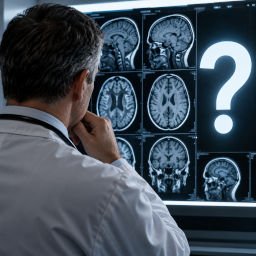
FND researchers acknowledge that weak functional signs lack specificity, neurologists disagree, and unfamiliar diseases risk being labelled functional. The diagnostic problem is hiding in plain sight.
When Defending FND Means Missing the Point
Quackademic
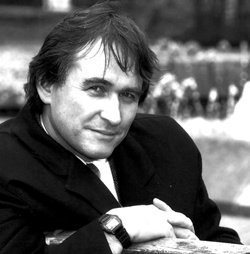
David Healy's warning that drug toxicity can disappear behind an FND diagnosis has provoked predictable criticism. But much of the response confuses how FND is supposed to be diagnosed with how it is actually diagnosed. The literature itself shows misdiagnosis, overdiagnosis and diagnostic overshadowing occur. You can dislike Healy's language. You still have to answer his argument.

FND, Until It Was Inoperable Tongue Cancer
FND Nope
Moderator
A 58-year-old woman with progressive swallowing and speech problems was diagnosed with functional movement disorder. Eleven months after onset, repeat imaging found advanced squamous-cell carcinoma. The authors say diagnostic bias from the FMD diagnosis even caused abnormal swallowing findings to be misinterpreted.

Inside the Reasoning of an FND Professional
Quackademic
We examined repeated public claims about FND made by an allied health professional who treats the disorder for a living. Some are supported by the literature. Others go much further than the evidence allows. The recurring problem is simple: evidence seems much better at confirming FND than disproving it.

POTS Found After FND: Comorbidity, or a Common Phenotype?
FND Nope
Moderator
An FND case report found objective POTS after years of orthostatic symptoms were attributed to FND, anxiety and deconditioning. The authors call it comorbidity. But the case leaves a more important question unanswered: are the “functional signs” really evidence of a second disorder?

The Diagnosis of the Gaps: FND and the Problem of Phenotype Overlap
Quackademic
Davenport et al.’s comparison of Long COVID, ME/CFS and FND has drawn criticism, but some apparent errors expose a deeper problem: when FND can resemble almost every common neurological phenotype, definitions can determine the answer before the differential even begins.