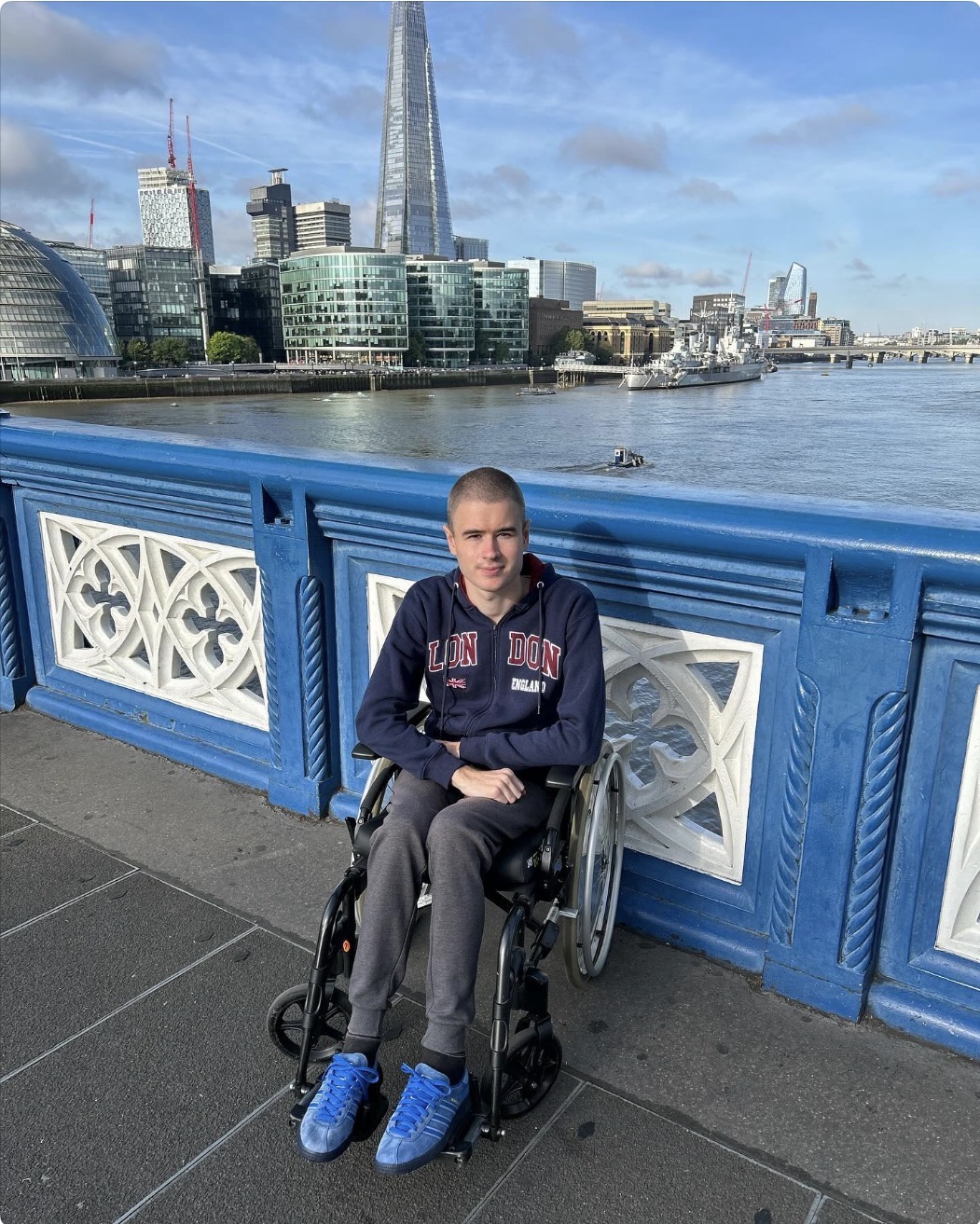
Diagnostic Overshadowing
Posts exploring how an FND diagnosis may influence subsequent clinical reasoning, potentially leading symptoms, findings, or alternative diagnoses to be overlooked, discounted, or insufficiently investigated.

Periodic Paralysis: Another Neurological Disorder Mistaken for FND
 FND Nope
Moderator
A reader highlights how children and adults with periodic paralysis, a recognised neuromuscular channelopathy, can be labelled with FND or anxiety instead. Medical literature confirms the diagnostic risk, including cases where appropriate testing identified a treatable disorder.

Two Women Diagnosed With FND Actually Had POTS — One Was Misdiagnosed Again When She Developed Paralysis
FND Nope
Moderator
A 2025 case series documents two young women whose involuntary movements were attributed to functional neurological disorder before testing confirmed POTS. One was later diagnosed with FND again after developing paralysis, only for further investigation to reveal hypokalemic periodic paralysis.
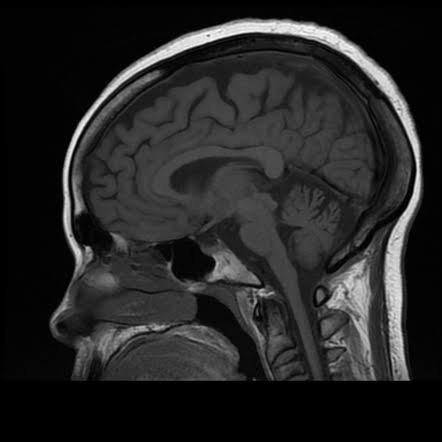
Diagnosed With FND After Negative Genetic Tests. The Patient Actually Had Spinocerebellar Ataxia.
FND Nope
Moderator
A patient spent years with neurological symptoms, repeated falls and fractures while doctors attributed his condition to FND and other functional diagnoses. New genetic testing eventually identified SCA27B. A published three-patient case series exposes the dangers of negative investigations, diagnostic confirmation bias and assuming neurological presentations must fit existing expectations.
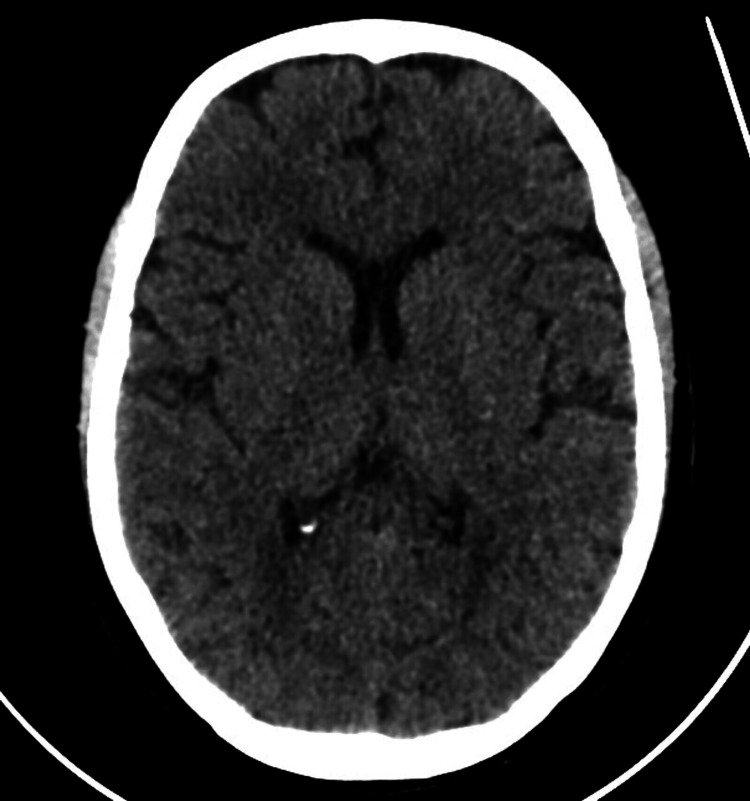
Diagnosed With Functional Seizures After Bereavement. It Was Autoimmune Encephalitis.
FND Nope
Moderator
A woman in her 40s was treated for functional neurological disorder and psychogenic non-epileptic seizures after a family bereavement. Her worsening symptoms were eventually traced to anti-LGI1 autoimmune encephalitis, a treatable neurological disease confirmed through MRI and antibody testing.

17 Patients Diagnosed With Psychogenic Seizures. All 17 Had Evidence of Autonomic Dysfunction
FND Nope
Moderator
A September 2026 study examined 17 patients diagnosed with psychogenic non-epileptic seizures. All had abnormal orthostatic findings, and 10 of 14 patients receiving medication improved after treatment for autonomic dysfunction. Some had visited emergency departments up to seven times before further neurological assessment. The findings raise serious questions about premature PNES diagnoses and missed physiological causes of seizure-like movements.

Diagnosed With FND, Her Tilt-Table Test Was Cancelled. Doctors Later Discovered Severe Autonomic Dysfunction
FND Nope
Moderator
A 43-year-old woman became unable to stand during a COVID-19 infection. Doctors diagnosed FND and cancelled her scheduled tilt-table test. Twelve days later, testing revealed her blood pressure collapsing to 66/52 mmHg. Further investigations identified evidence of immune-mediated autonomic dysfunction, and she eventually recovered following treatment.

Diagnosed with FND at 13, Eight Years Later Doctors Found a Chiari Malformation and Spinal Cord Syrinx
FND Nope
Moderator
Daniele Gray lost the ability to walk at 13 and was diagnosed with Functional Neurological Disorder. Eight years later, an MRI revealed a 20 mm Chiari I malformation and a spinal cord syrinx requiring surgery. Was the underlying neurological condition missed?

Another case of Lyme disease attributed to FND, due to negative Lyme testing
 mel
Convalescent
Maja Bagdziun shares her story with LDUK, after being given “a confusing FND label” because she tested negative for Lyme infection.

Diagnosed With FND, Died From a Pulmonary Embolism: The Questions Allison Lawlor's Story Raises
FND Nope
Moderator
Allison Lawlor lived with severe neurological symptoms, received an FND diagnosis and later died from a pulmonary embolism. Her story raises important questions about diagnostic uncertainty, thromboembolic risk and why patients owe no loyalty to a diagnosis.

Diagnosed With FND. It Was Buerger's Disease. She Lost Her Leg
FND Nope
Moderator
Danielle Thomas reported numbness, worsening walking difficulties and legs that felt like they were dying. Doctors diagnosed FND. Months later, vascular investigations revealed blocked arteries, gangrene and Buerger's disease. She eventually underwent a below-knee amputation.