Clinical Reasoning
Posts exploring how clinicians interpret symptoms, evidence, uncertainty, and patient narratives when forming, questioning, or revising a diagnosis.

Before You Criticise FND, Apparently You Must First Prove You're Not a Terrible Person
 FND Nope
Moderator
Polly Patterson questioned FND diagnoses in post-viral illness, carefully explaining that she wasn't dismissing patients or denying their suffering. FND Action's Kim Hearne responded with a nine-part critique. The exchange reveals how easily legitimate questions about medical practice become arguments about compassion, credibility and stigma.

Marion Brown: Challenging the Misdiagnosis of Antidepressant Withdrawal as FND
FND Nope
Moderator
Marion Brown, a retired Scottish psychotherapist and friend of this website, has spent years exposing how antidepressant withdrawal and adverse drug reactions can be overlooked, dismissed, or misdiagnosed as Functional Neurological Disorder and medically unexplained symptoms. We examine her research, parliamentary advocacy, and the patient experiences behind her work.

When Lyme Disease Symptoms Persist: What Do We Actually Know?
FND Nope
Moderator
Lyme disease can have lasting consequences, but persistent symptoms do not necessarily mean persistent infection. We examine untreated infection, reinfection, treatment limitations, PTLDS and the difficult questions raised when patients with unresolved neurological symptoms receive an FND diagnosis. Drawing on published research, patient accounts and discussions on FND Nope, we also explore how clinical terminology can obscure rather than clarify diagnostic uncertainty.

When Drug-Induced Neurological Damage Gets Labelled FND
FND Nope
Moderator
Psychiatrist David Healy challenges the use of FND diagnoses in patients experiencing persistent medication-related neurological symptoms, warning that drug toxicity can be overlooked, patients dismissed and potentially harmful treatments repeated.

Periodic Paralysis: Another Neurological Disorder Mistaken for FND
FND Nope
Moderator
A reader highlights how children and adults with periodic paralysis, a recognised neuromuscular channelopathy, can be labelled with FND or anxiety instead. Medical literature confirms the diagnostic risk, including cases where appropriate testing identified a treatable disorder.

FND Study of Nearly 600,000 Patients Reveals Different Biological Patterns Behind Different Symptoms
FND Nope
Moderator
A major 2026 study links FND diagnoses to inherited disorders, congenital abnormalities, neurodevelopmental conditions and early-life biological factors. But are these vulnerabilities to FND, or evidence that different biological diseases produce overlapping clinical phenotypes? We examine the findings through the Common Phenotypes Hypothesis.

Two Women Diagnosed With FND Actually Had POTS — One Was Misdiagnosed Again When She Developed Paralysis
FND Nope
Moderator
A 2025 case series documents two young women whose involuntary movements were attributed to functional neurological disorder before testing confirmed POTS. One was later diagnosed with FND again after developing paralysis, only for further investigation to reveal hypokalemic periodic paralysis.

19-Year-Old Diagnosed With Conversion Disorder Actually Had Rare Autoimmune Encephalitis
FND Nope
Moderator
A 19-year-old woman with anxiety, trembling legs and balance problems was diagnosed with conversion disorder. Further testing revealed rare autoimmune encephalitis. Following immunotherapy, she recovered completely. Her case raises serious questions about premature psychiatric diagnoses and overlooked neurological disease.
Diagnosed With FND After Negative Genetic Tests. The Patient Actually Had Spinocerebellar Ataxia.
FND Nope
Moderator
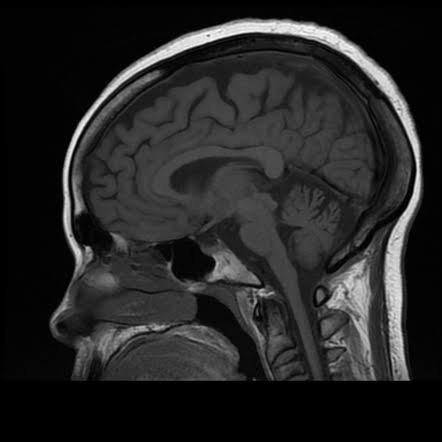
A patient spent years with neurological symptoms, repeated falls and fractures while doctors attributed his condition to FND and other functional diagnoses. New genetic testing eventually identified SCA27B. A published three-patient case series exposes the dangers of negative investigations, diagnostic confirmation bias and assuming neurological presentations must fit existing expectations.
Diagnosed With Functional Seizures After Bereavement. It Was Autoimmune Encephalitis.
FND Nope
Moderator
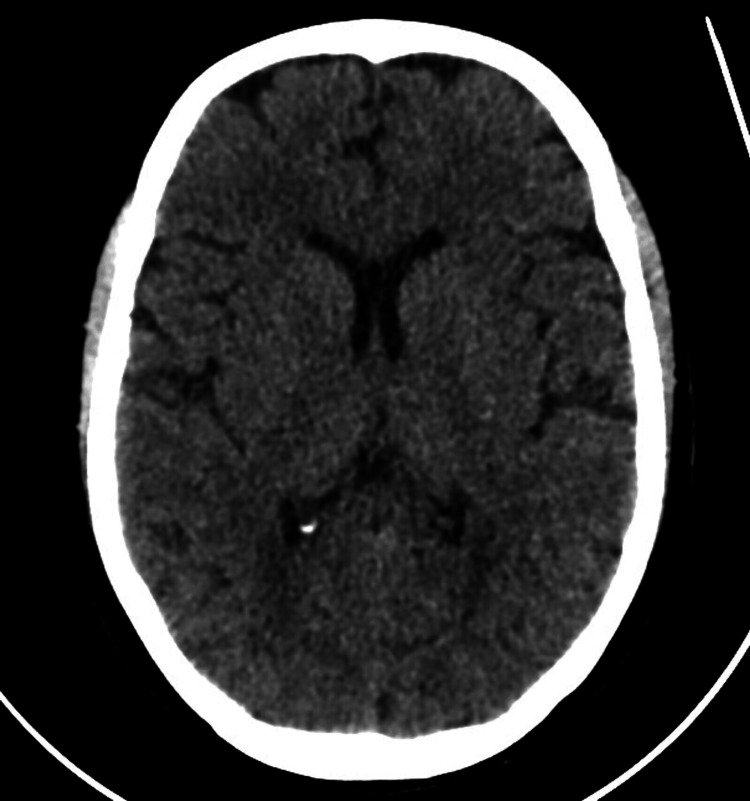
A woman in her 40s was treated for functional neurological disorder and psychogenic non-epileptic seizures after a family bereavement. Her worsening symptoms were eventually traced to anti-LGI1 autoimmune encephalitis, a treatable neurological disease confirmed through MRI and antibody testing.