State Rep. Tricia Byrnes Is Looking for the Filmmaker Who’ll Investigate FND
 Facebook Stories
Social media
Missouri State Rep. Tricia Byrnes is seeking a filmmaker to investigate Functional Neurological Disorder. She says hundreds of families report children were labeled with FND before doctors fully checked seizures and loss of mobility, and that second opinions were blocked.

Maddie Aumann: From an FND Diagnosis to Maddie’s Law
 FND Nope
Moderator
Maddie Aumann was diagnosed with FND before genetic testing identified a rare SCN9A disorder. Her mother, Christine Aumann, describes how the FND label continued to affect Maddie’s care even after that discovery, ultimately helping inspire Maddie’s Law.

Nine Specialists Challenge the Conflation of POTS, Dysautonomia and FND
FND Nope
Moderator
Nine medical specialists warn that POTS and other autonomic disorders are being confused with FND, exposing patients to misdiagnosis, diagnostic overshadowing and potentially inappropriate rehabilitation. Their 2024 paper examines the diagnostic evidence, comorbidity claims and consequences of treating physiological disorders as functional.

The Boeing 747 School of Neurology: Shut Up, I'm the Pilot
 Quackademic
Apparently, FND has neurological characteristics found nowhere else in medicine. Which ones? Excellent question. Unfortunately, instead of an answer, we've been offered a lecture about pilots, professional qualifications and AIDS denialism. Welcome aboard. Scientific evidence is apparently not included in the ticket price.

Medication, Polypharmacy and FND: What the Research Reveals and What Remains Unanswered
FND Nope
Moderator
A study of 322 motor FND patients documented extensive medication prescribing, substantial polypharmacy and concerns about potential iatrogenic harm. Beyond the numbers lie important questions about adverse drug effects, diagnostic reasoning and whether subsequent research has adequately addressed these risks.
18 Months of Neurological Decline, a Psychosomatic Label, and the Lyme Infection They Missed
FND Nope
Moderator
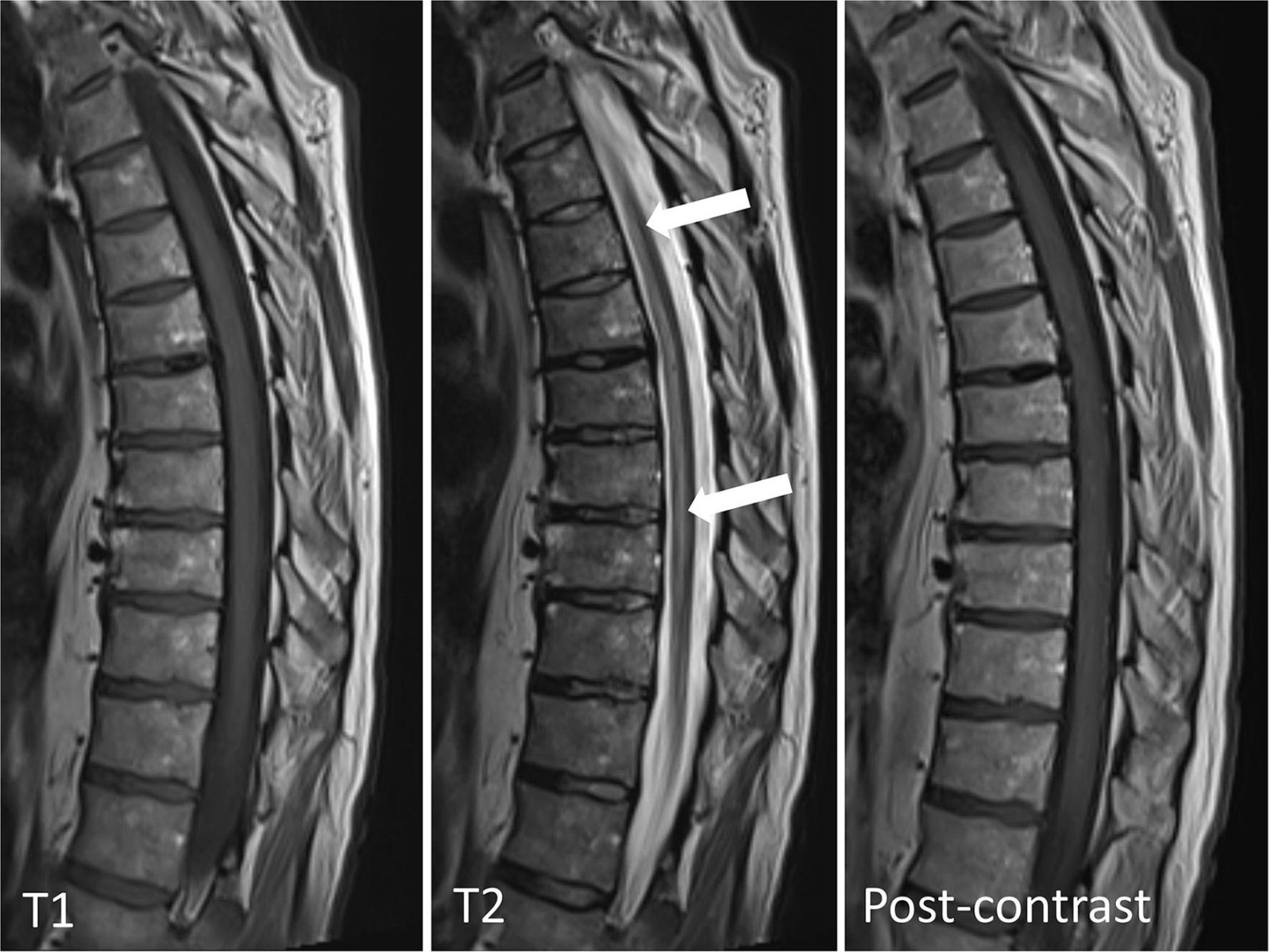
A 54-year-old woman spent more than 18 months experiencing progressive neurological symptoms before doctors identified late Lyme neuroborreliosis and spinal cord inflammation. Her symptoms had been attributed to psychosomatic causes, despite worsening mobility, bladder and bowel dysfunction, and significant weight loss. A 2025 case report documents the diagnostic delay, the evidence that overturned the earlier assumption, and the lasting disability after treatment.

The MRI Was Normal. The Lesion Was Still There.
FND Nope
Moderator
Studies using 7 Tesla MRI have uncovered neurological lesions missed by conventional scans, sometimes confirmed through surgery and pathology. So how much confidence should clinicians place in a normal MRI, and what happens when they decide patients do not need imaging at all?
Different Causes, Same Symptoms: A New Theory of Functional Cognitive Disorder Raises Familiar Questions
FND Nope
Moderator
A 2026 Brain Sciences paper proposes that functional cognitive disorder and persistent post-concussion symptoms may converge on the same memory networks despite different origins. The theory raises important questions about neurological mechanisms, diagnostic uncertainty, and whether shared symptoms necessarily establish a shared disorder.

“FND Fundamentalists”: New Study Exposes Deep Divisions Over Functional Neurological Diagnoses
FND Nope
Moderator
An international study involving 1,853 patients and 400 clinicians reveals profound disagreements over FND diagnoses in autoimmune disease, reports of diagnostic overshadowing, and clinical reasoning that raises important questions about whether neurological symptoms attributed to FND may have different underlying causes.

When Everything Looks Functional: Ten Claims, One Convenient Diagnosis
Quackademic
ME/CFS? Stop pacing. Long COVID? Think functional. POTS, MCAS or CCI? Perhaps FND. We examine ten controversial public statements from an FND-specialist physical therapist, the evidence behind them, and the potential consequences for patients.
Lyme Neuroborreliosis Dismissed as Psychosomatic: The Diagnosis Came After 17 kg of Weight Loss
FND Nope
Moderator
A 30-year-old man with severe headaches, dizziness, exhaustion and dramatic weight loss was discharged with psychosomatic complaints after routine investigations found little wrong. Two weeks later, further testing revealed acute Lyme neuroborreliosis, a serious neurological infection that responded rapidly to antibiotics.

When Hoover's Sign Suggested Conversion Disorder, but Lyme Disease Entered the Picture
FND Nope
Moderator
A 2019 case report documents a woman whose weakness, anxiety and reported positive Hoover's sign raised suspicions of conversion disorder. Further investigations uncovered objective neurological abnormalities and evidence supporting possible Lyme neuroborreliosis.