State Rep. Tricia Byrnes Is Looking for the Filmmaker Who’ll Investigate FND
 Facebook Stories
Social media
Missouri State Rep. Tricia Byrnes is seeking a filmmaker to investigate Functional Neurological Disorder. She says hundreds of families report children were labeled with FND before doctors fully checked seizures and loss of mobility, and that second opinions were blocked.

Maddie Aumann: From an FND Diagnosis to Maddie’s Law
 FND Nope
Moderator
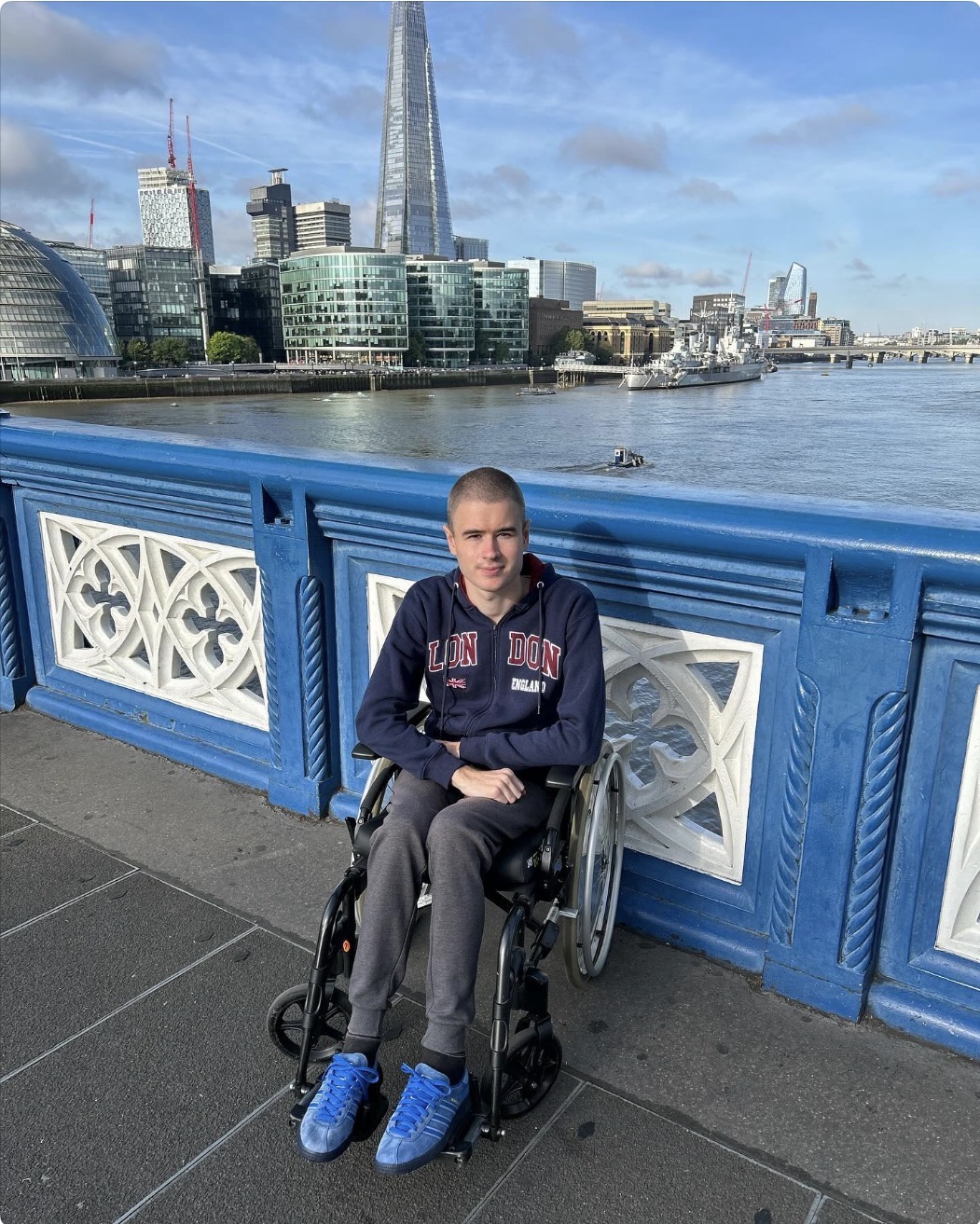
Maddie Aumann was diagnosed with FND before genetic testing identified a rare SCN9A disorder. Her mother, Christine Aumann, describes how the FND label continued to affect Maddie’s care even after that discovery, ultimately helping inspire Maddie’s Law.
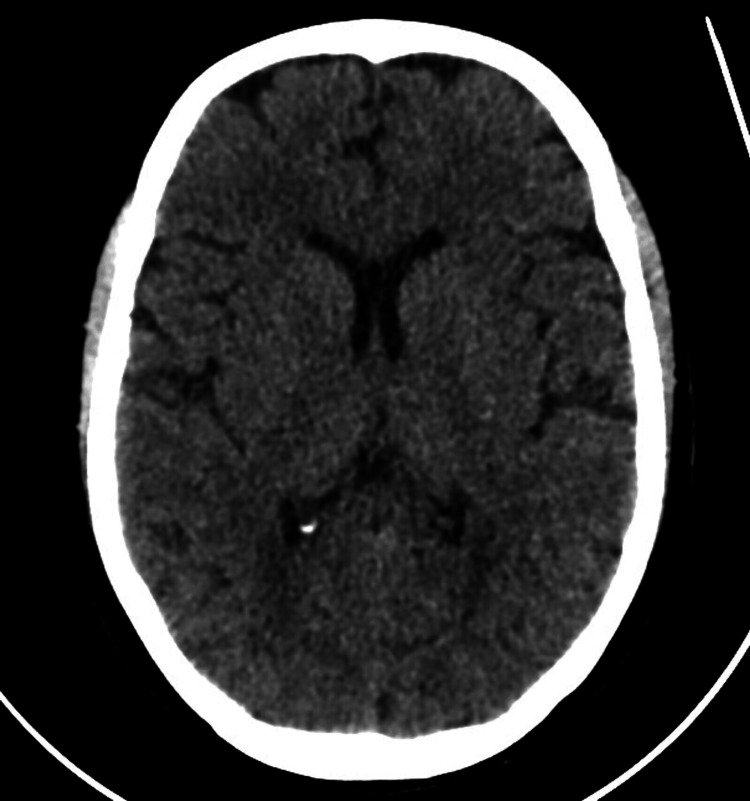
Diagnosed With Functional Seizures After Bereavement. It Was Autoimmune Encephalitis.
FND Nope
Moderator
A woman in her 40s was treated for functional neurological disorder and psychogenic non-epileptic seizures after a family bereavement. Her worsening symptoms were eventually traced to anti-LGI1 autoimmune encephalitis, a treatable neurological disease confirmed through MRI and antibody testing.

17 Patients Diagnosed With Psychogenic Seizures. All 17 Had Evidence of Autonomic Dysfunction
FND Nope
Moderator
A September 2026 study examined 17 patients diagnosed with psychogenic non-epileptic seizures. All had abnormal orthostatic findings, and 10 of 14 patients receiving medication improved after treatment for autonomic dysfunction. Some had visited emergency departments up to seven times before further neurological assessment. The findings raise serious questions about premature PNES diagnoses and missed physiological causes of seizure-like movements.

Diagnosed With FND, Her Tilt-Table Test Was Cancelled. Doctors Later Discovered Severe Autonomic Dysfunction
FND Nope
Moderator
A 43-year-old woman became unable to stand during a COVID-19 infection. Doctors diagnosed FND and cancelled her scheduled tilt-table test. Twelve days later, testing revealed her blood pressure collapsing to 66/52 mmHg. Further investigations identified evidence of immune-mediated autonomic dysfunction, and she eventually recovered following treatment.

Genetic Testing Can Miss Rare Neurological Diseases: European Experts Expose Diagnostic Gaps
FND Nope
Moderator
European experts have identified major inconsistencies in genetic testing for rare neurological diseases. Some conditions can produce unusual symptoms that resemble FND or other disorders, while existing tests may fail to identify their genetic causes. New recommendations aim to improve diagnostic accuracy.

Christina Applegate's MS Diagnosis Was Wrong. Five Years Later, She Still Has No Answers
 Quackademic
Christina Applegate reveals that doctors have withdrawn her multiple sclerosis diagnosis after five years of debilitating symptoms. Her disability remains, her condition has reportedly worsened, and the search for an explanation starts again. The case raises questions about neurological misdiagnosis and the danger of replacing one incorrect diagnosis with another.
FND Treatment Trials Failed Their Primary Outcomes. Researchers Shifted the Goalposts.
FND Nope
Moderator
The CODES and Physio4FMD trials failed to demonstrate significant benefits on their primary outcomes. David Tuller exposes how FND researchers subsequently promoted secondary findings, questioned their original measures and misrepresented consensus recommendations.

Suicidality in FND: Are Researchers Overlooking the Obvious?
FND Nope
Moderator
When people live with disabling symptoms, chronic pain and uncertain futures, suicidal thoughts are hardly inexplicable. So why does FND research place such emphasis on psychiatric comorbidities? A closer look at the research agenda and the common-sense questions it raises.

Diagnosed with FND at 13, Eight Years Later Doctors Found a Chiari Malformation and Spinal Cord Syrinx
FND Nope
Moderator
Daniele Gray lost the ability to walk at 13 and was diagnosed with Functional Neurological Disorder. Eight years later, an MRI revealed a 20 mm Chiari I malformation and a spinal cord syrinx requiring surgery. Was the underlying neurological condition missed?
The Emotional Processing Theory of FND: Eight Years Later, Where Is the Proof?
FND Nope
Moderator
A 2019 review proposed that abnormal emotional processing could generate functional neurological symptoms. Nearly eight years later, its central causal mechanism remains unvalidated. We examine the original research, its acknowledged weaknesses, and what subsequent studies have actually established.

FND, Compensation and the Convenient Theory That Financial Support Keeps People Disabled
FND Nope
Moderator
A 2026 Frontiers in Neurology review explores whether compensation, litigation and financial support can reinforce FND disability. But where is the evidence that paying injured people keeps them sick, and what happens when speculative theories influence legal liability?