State Rep. Tricia Byrnes Is Looking for the Filmmaker Who’ll Investigate FND
 Facebook Stories
Social media
Missouri State Rep. Tricia Byrnes is seeking a filmmaker to investigate Functional Neurological Disorder. She says hundreds of families report children were labeled with FND before doctors fully checked seizures and loss of mobility, and that second opinions were blocked.

Maddie Aumann: From an FND Diagnosis to Maddie’s Law
 FND Nope
Moderator
Maddie Aumann was diagnosed with FND before genetic testing identified a rare SCN9A disorder. Her mother, Christine Aumann, describes how the FND label continued to affect Maddie’s care even after that discovery, ultimately helping inspire Maddie’s Law.

Another case of Lyme disease attributed to FND, due to negative Lyme testing
 mel
Convalescent
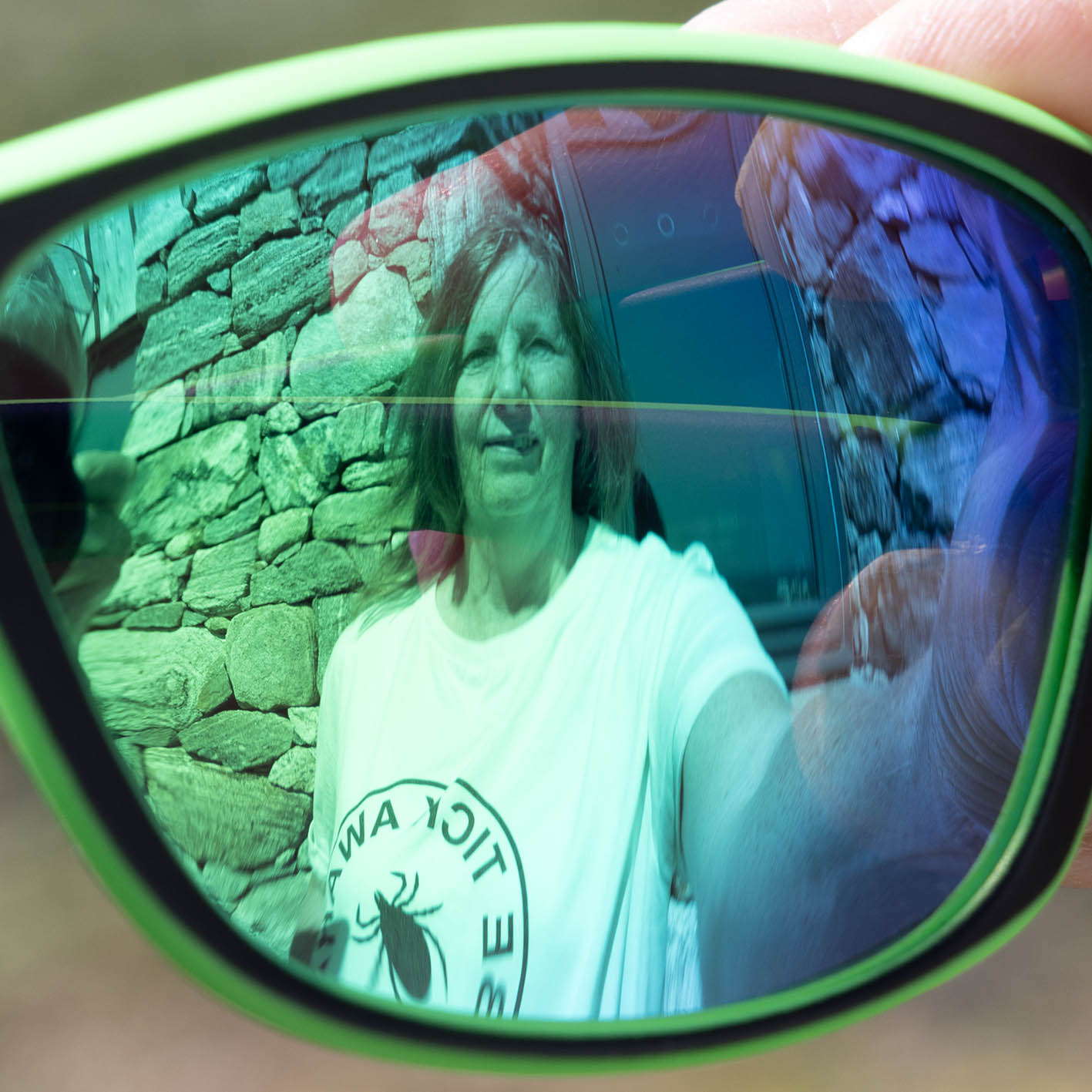
Maja Bagdziun shares her story with LDUK, after being given “a confusing FND label” because she tested negative for Lyme infection.

Diagnosed With FND, Died From a Pulmonary Embolism: The Questions Allison Lawlor's Story Raises
FND Nope
Moderator
Allison Lawlor lived with severe neurological symptoms, received an FND diagnosis and later died from a pulmonary embolism. Her story raises important questions about diagnostic uncertainty, thromboembolic risk and why patients owe no loyalty to a diagnosis.

Diagnosed With FND. It Was Buerger's Disease. She Lost Her Leg
FND Nope
Moderator
Danielle Thomas reported numbness, worsening walking difficulties and legs that felt like they were dying. Doctors diagnosed FND. Months later, vascular investigations revealed blocked arteries, gangrene and Buerger's disease. She eventually underwent a below-knee amputation.

Dismantling FND: When ME/CFS Starts Trespassing on Functional Neurology's Territory
FND Nope
Moderator
Dr. Brayden Yellman and Paige Zuckerman challenge FND, its diagnostic assumptions, and its overlap with ME/CFS. From seizure-like episodes explained by orthostatic intolerance to patients receiving alternative diagnoses, the question is simple: what happens when medicine starts explaining symptoms previously called functional?

10 Suspicious Things You Apparently Shouldn't Do Around an FND Specialist
 Quackademic
Sunglasses, wheelchairs, handwritten notes, music and even office chairs have all found their way into medical discussions of functional neurological symptoms. The real problem isn't that these observations necessarily diagnose FND, but that they can influence the wider clinical picture. A sarcastic, referenced tour of ten examples where ordinary behaviour risks becoming suspicious.

The Weaponization of FND: Selma Blair, MS, and Hysteria With Better Branding
Quackademic
An FND-focused healthcare professional accuses Selma Blair of seeking sympathy, questions her MS history using dancing videos and declares her symptoms textbook FND. Apparently, hysteria got a rebrand, not a retirement.
Diagnosed With FND After Her Son’s Suicide. It Was Fatal Frontotemporal Dementia
FND Nope
Moderator
A 47-year-old woman’s progressive neurological deterioration was attributed to conversion disorder after her son’s suicide. Despite abnormal findings and failed psychiatric treatments, the diagnosis persisted. Genetic testing eventually confirmed frontotemporal dementia. Her doctors later acknowledged the cognitive biases behind their diagnostic failure.

Diagnosed With FND After Losing Her Daughter. Years Later, Elly Had 15 Brain Lesions and Multiple Sclerosis
FND Nope
Moderator
Elly Littlejohn was diagnosed with FND after losing her daughter to a drunk driver, despite abnormal MRI findings. Years of worsening symptoms, additional brain lesions and abnormal spinal fluid results eventually led to an MS diagnosis. Her story raises serious questions about diagnostic anchoring, trauma-based assumptions and delayed treatment.

Diagnosed With MS, Then Misdiagnosed With FND. It Was Parkinson’s.
FND Nope
Moderator
Emma Tinkler already had multiple sclerosis when worsening neurological symptoms were labelled FND. After two years of deteriorating mobility, a second neurologist diagnosed Parkinson’s disease. Six weeks after starting medication, she was walking normally again.

When a 50-Minute Seizure Becomes “Textbook FND”: Diagnostic Certainty Without Evidence
Quackademic
A Doctor of Physical Therapy claims a 50-minute seizure can only be functional. But prolonged epileptic seizures are medically documented. This raises serious questions about professional authority, diagnostic overreach, positive signs, and the dangers of diagnosing patients on social media.